Shop






A Historic English Cottage Remodel Along Minnehaha Creek
Set in Edina, Minnesota’s historic Country Club District, this 1925 English Cottage-style home offered the kind of character that is hard to recreate: original stained glass, period hardware, operable windows, and a traditional floor plan that reflected the home’s nearly century-old roots. For PKA Architecture, the goal was never to erase that history, but to expand on it in a way that could better support the rhythm of modern family life.
The homeowners wanted a house that felt true to the neighborhood and its historic setting, while still making room for the way their family actually lives. With children, sports, creekside activities, and plenty of everyday movement in the mix, the remodel needed to balance preservation with function. The result is a 6-bedroom, 5.5-bath home that keeps the charm of the original structure intact while adding thoughtful new spaces for gathering, play, storage, and connection to the outdoors.
Working alongside Martha Dayton Design, Dovetail, Topo Landscape Design, Align Structural, and a team of skilled collaborators, PKA Architecture renovated and expanded the home with a careful eye toward both the existing architecture and the family’s future needs.
Design: PKA Architecture & Martha Dayton Design| Photography: Taylor Hall O’brien | Build: Dovetail
Preserving the Character of the Original Home
One of the most important parts of the project was maintaining the historic feel of the home. The original structure, built with hollow clay brick tile exterior walls, came with its own construction and insulation challenges, especially as the team planned the new addition. There were also restrictive neighborhood covenants to consider, which made it even more important that the remodel feel appropriate to the home’s setting.
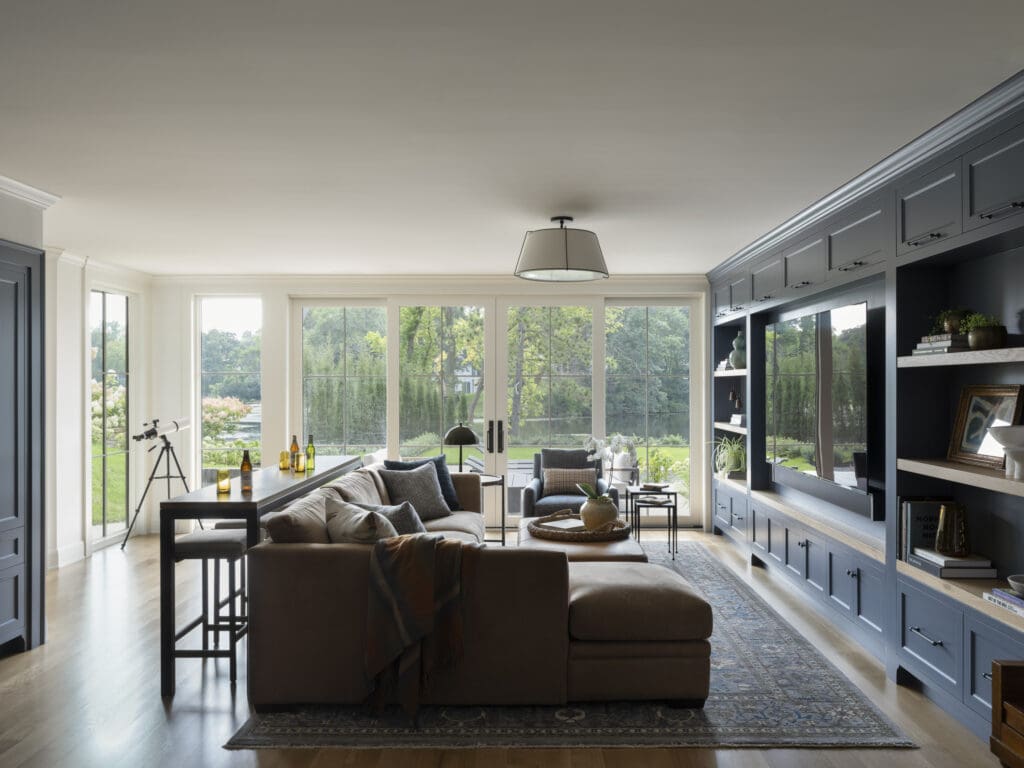
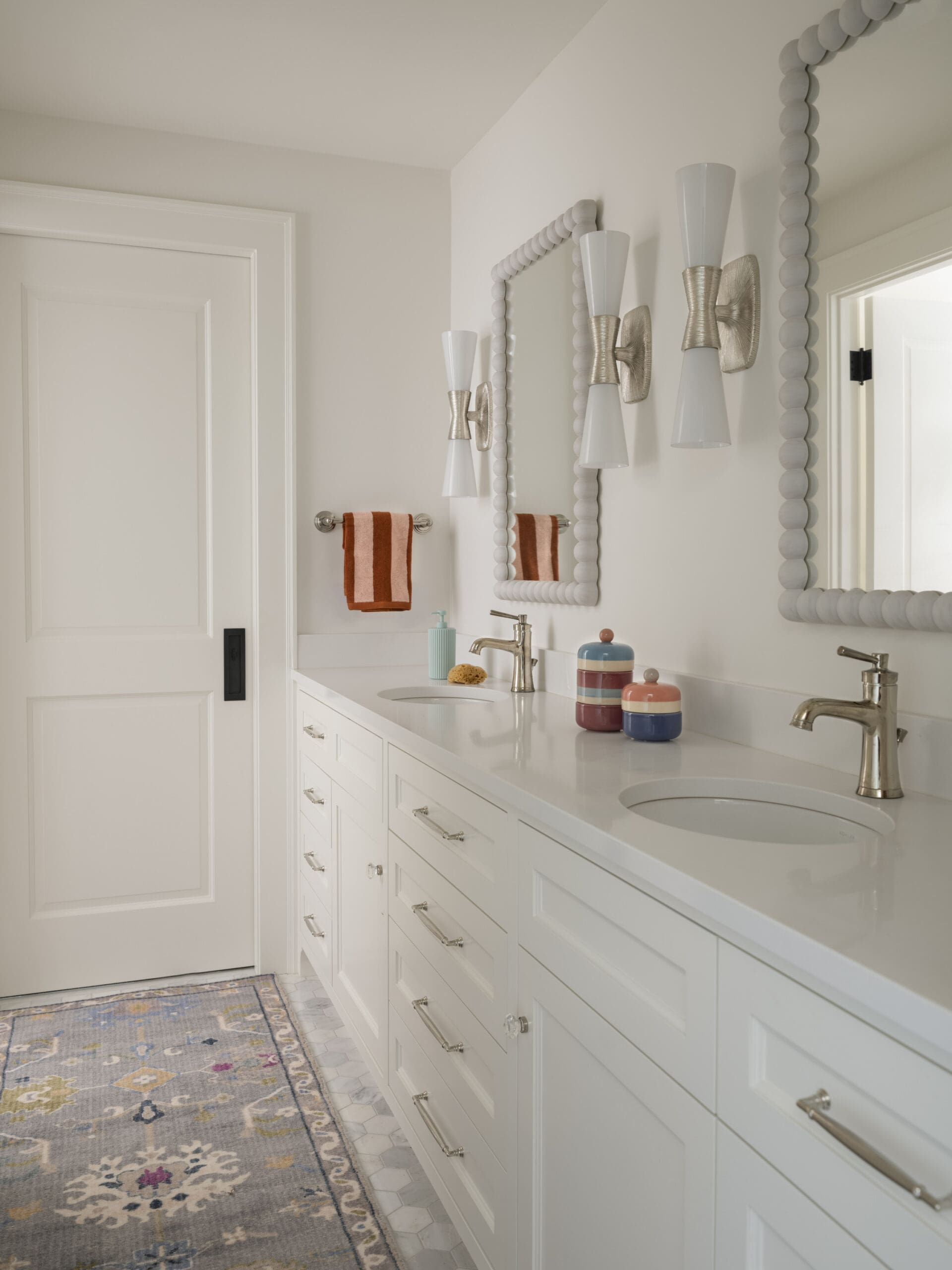
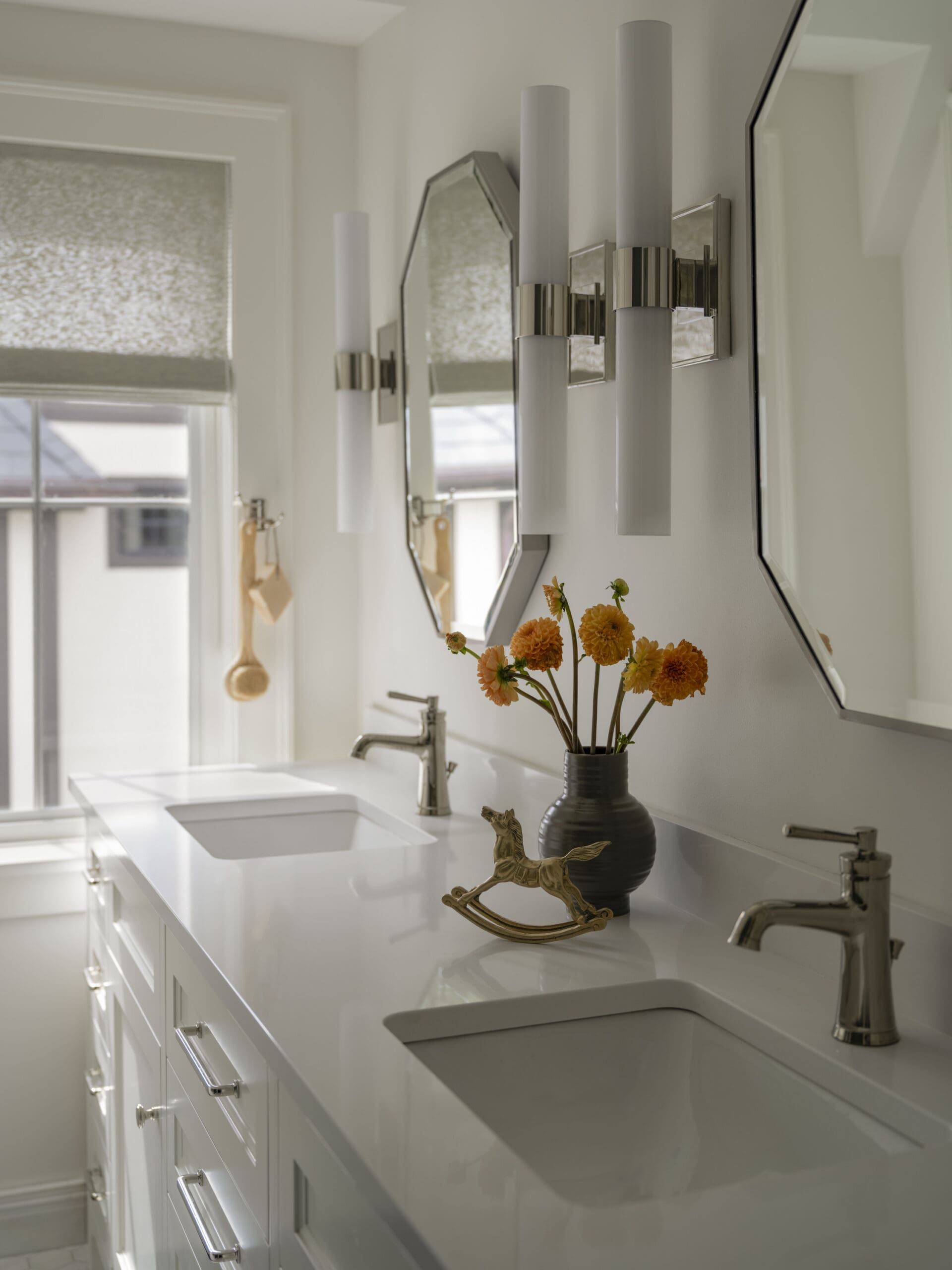
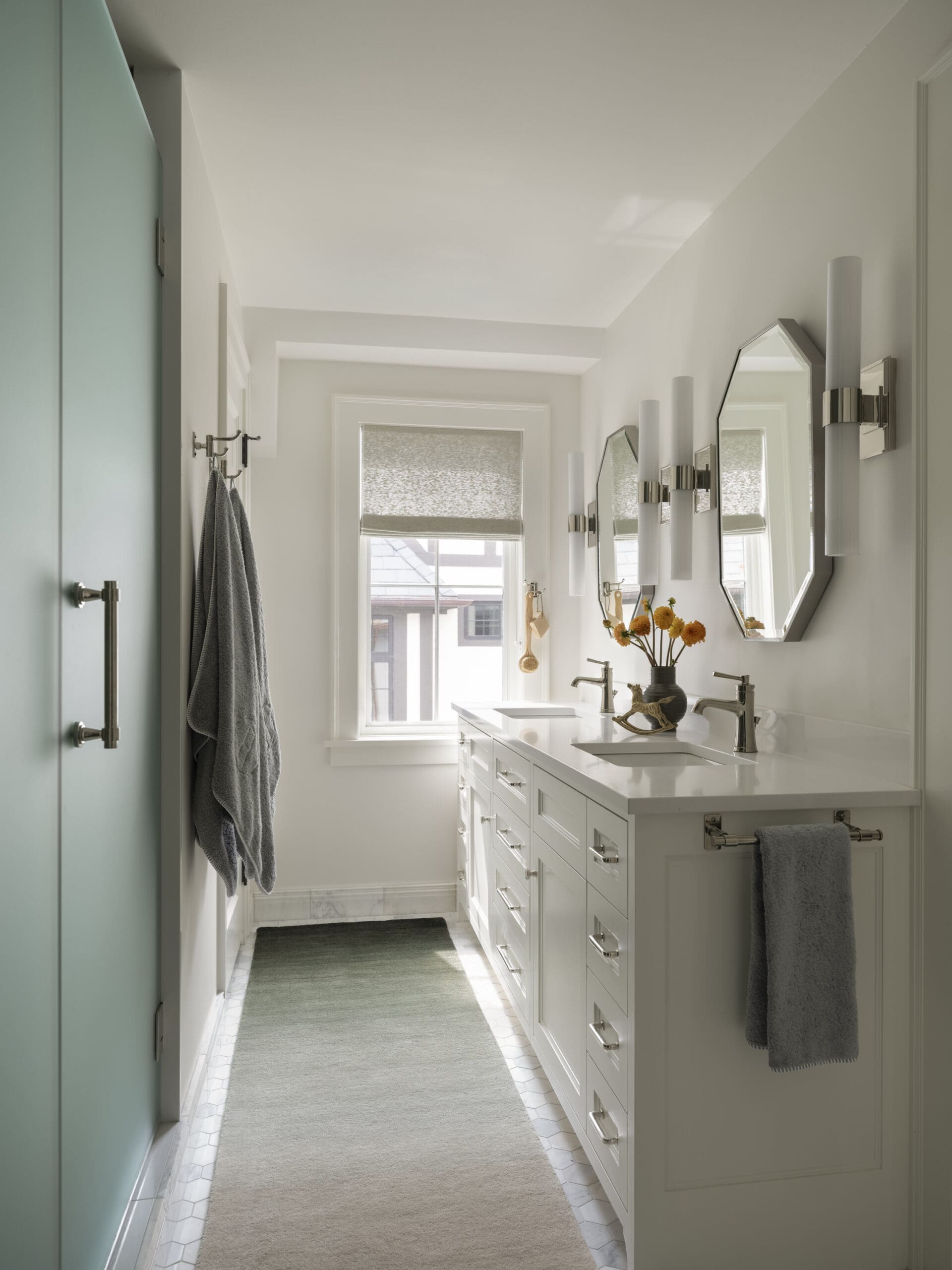
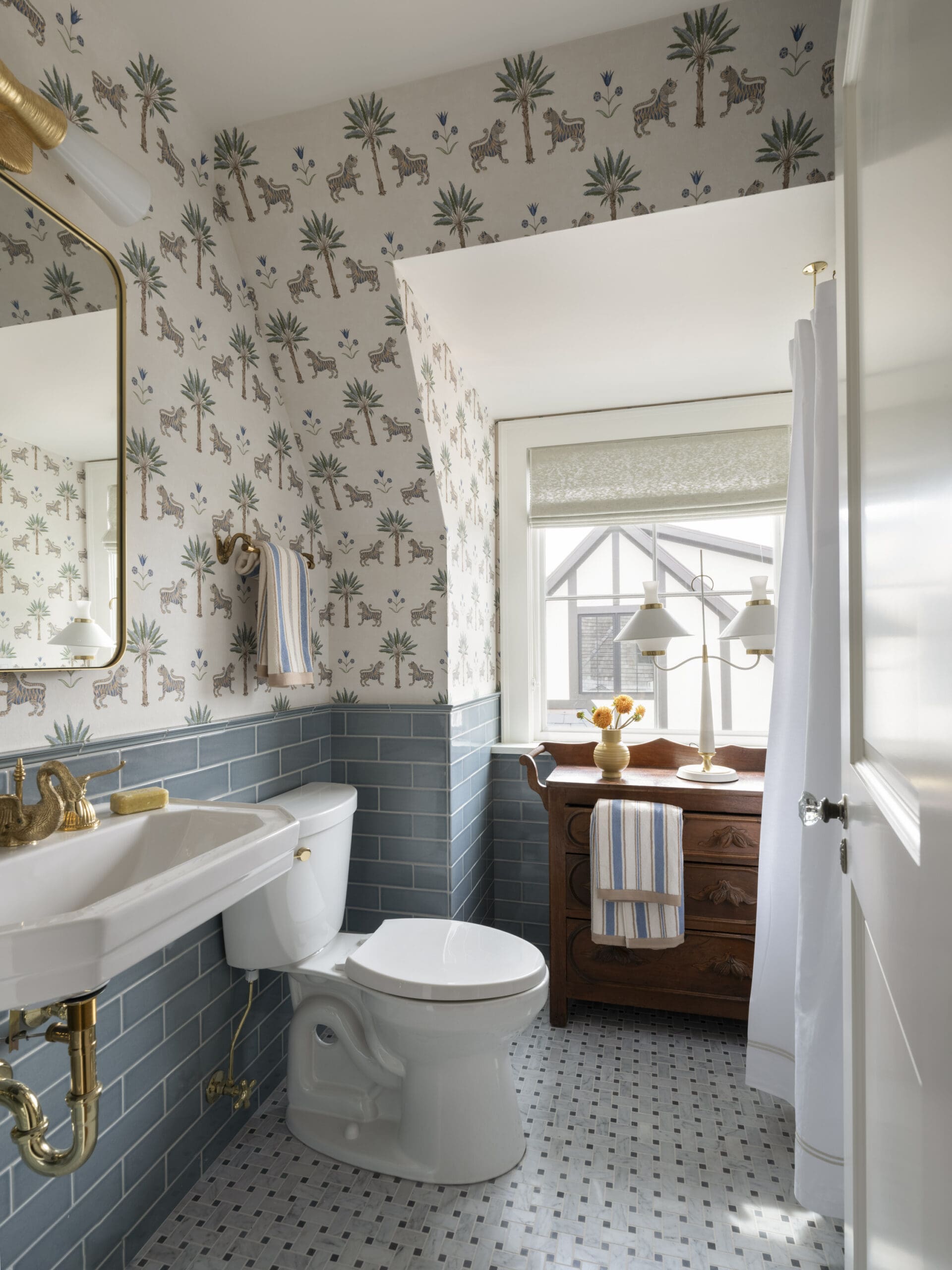
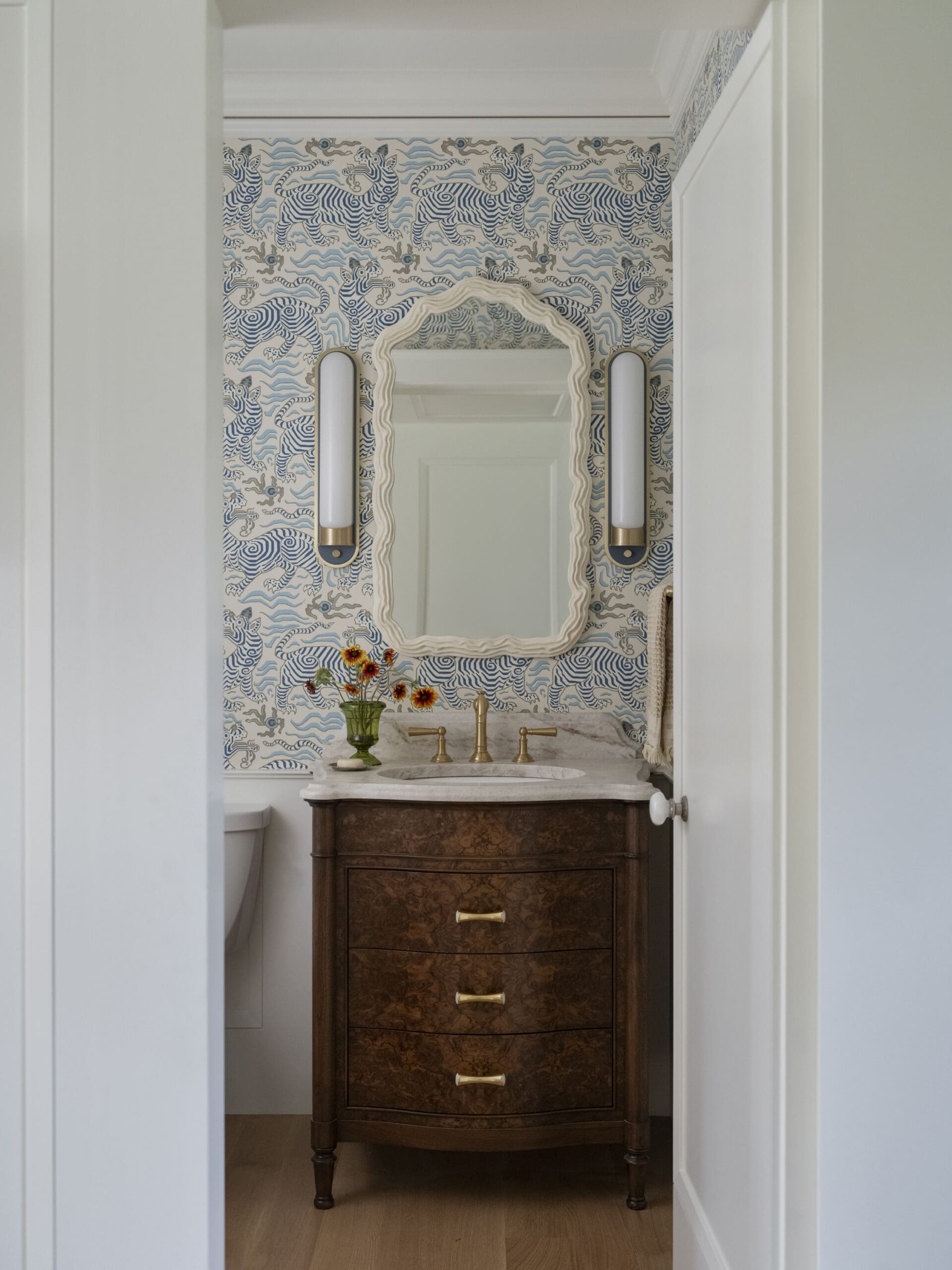
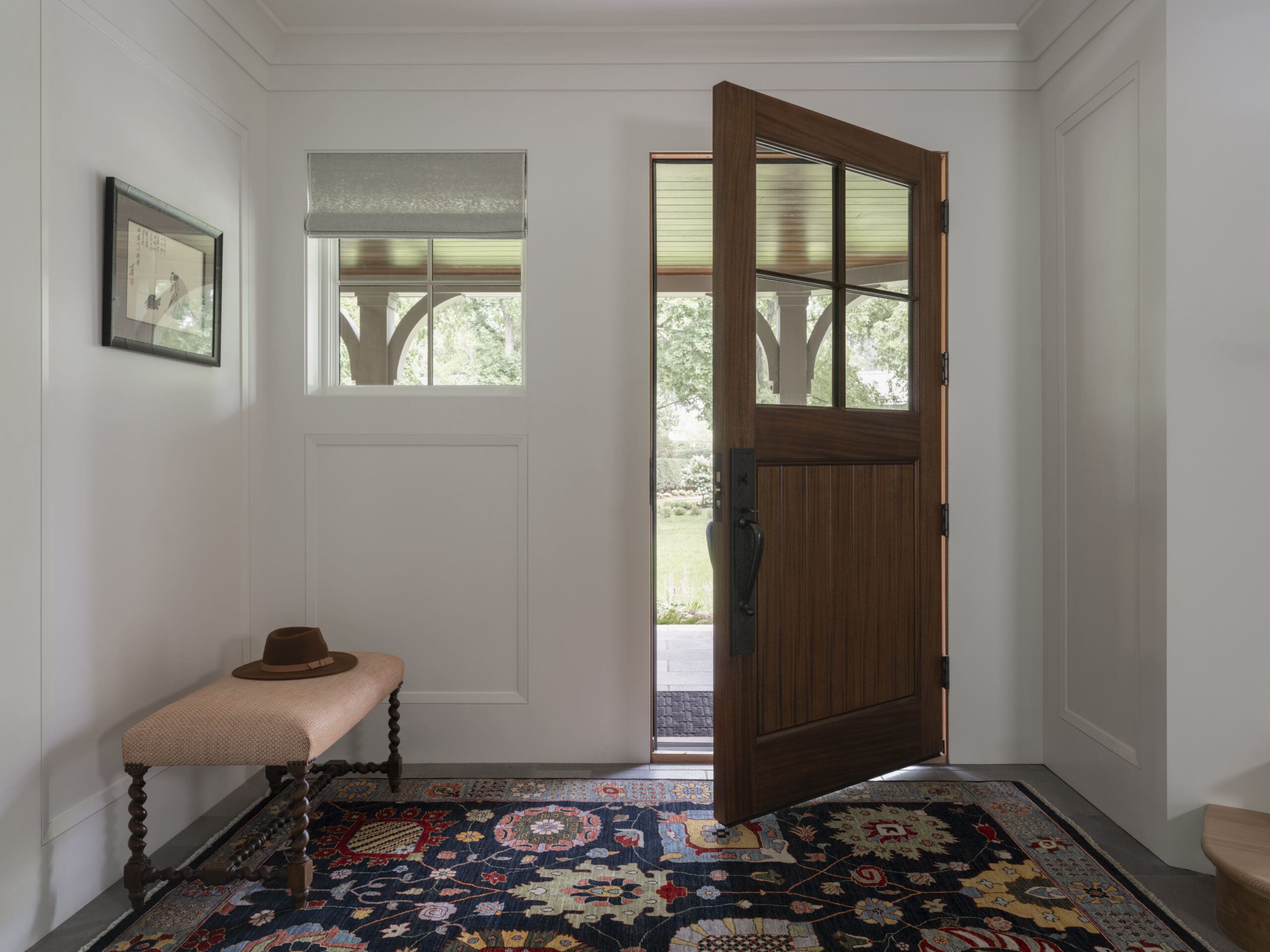
Rather than opening everything up completely, the design kept a sense of separation between spaces, preserving the rhythm and intimacy of an older home. Original doors, door hardware, faucets, and a stained glass window were retained, allowing the home’s history to remain part of the daily experience.
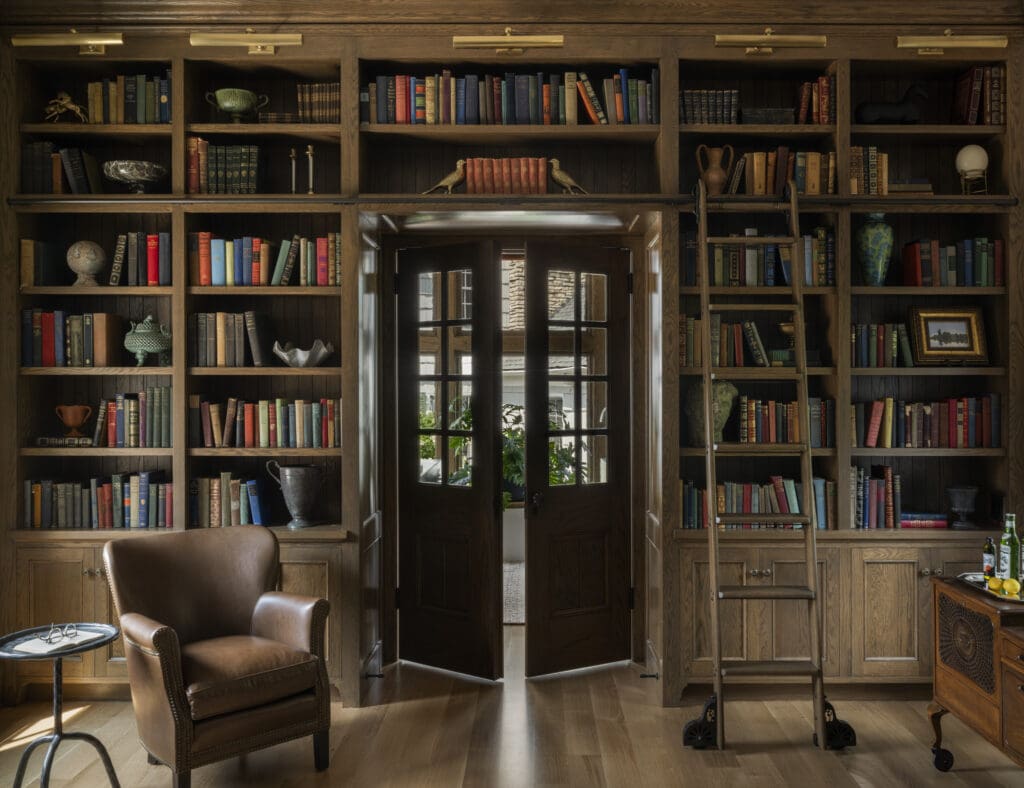
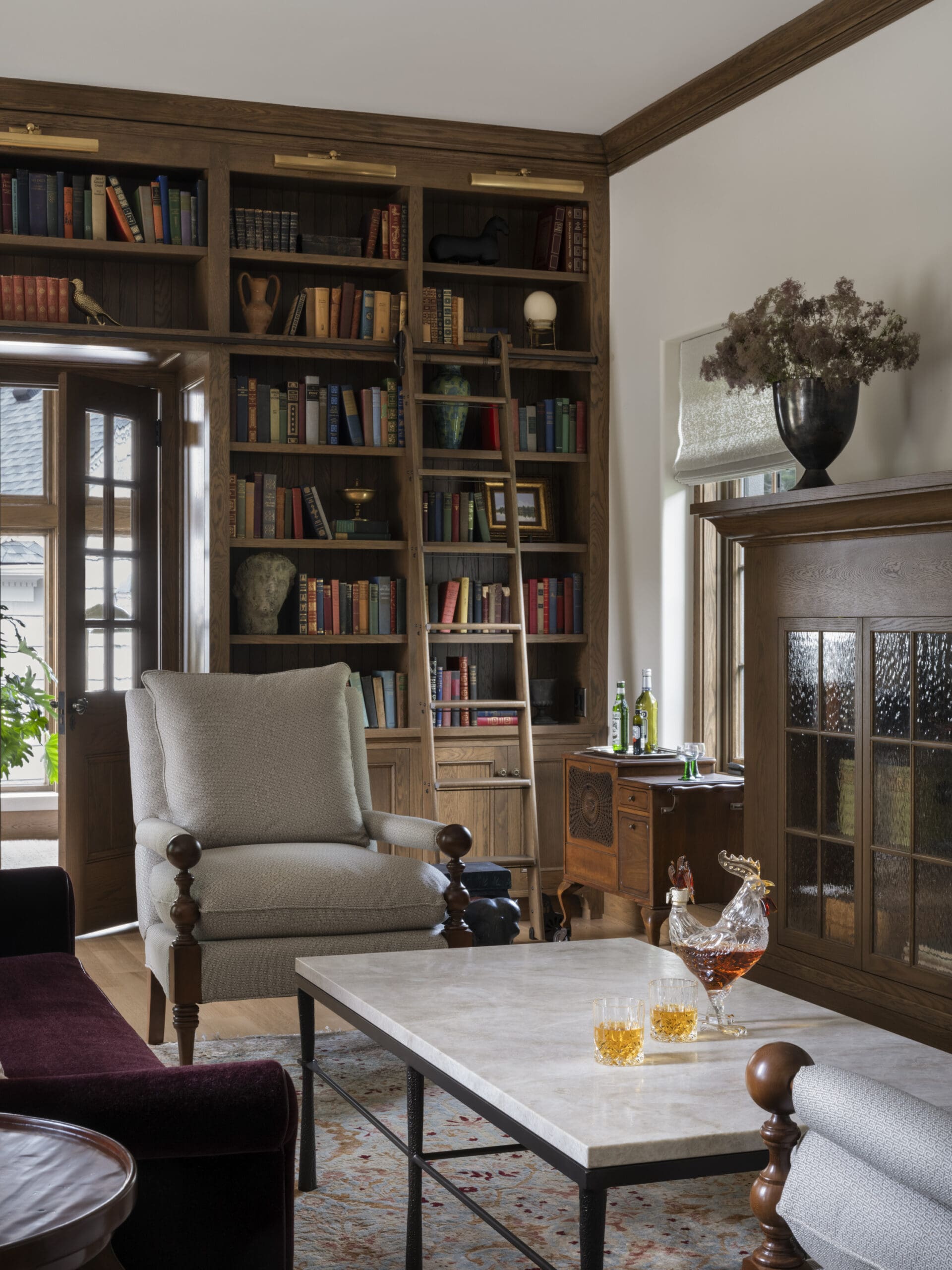
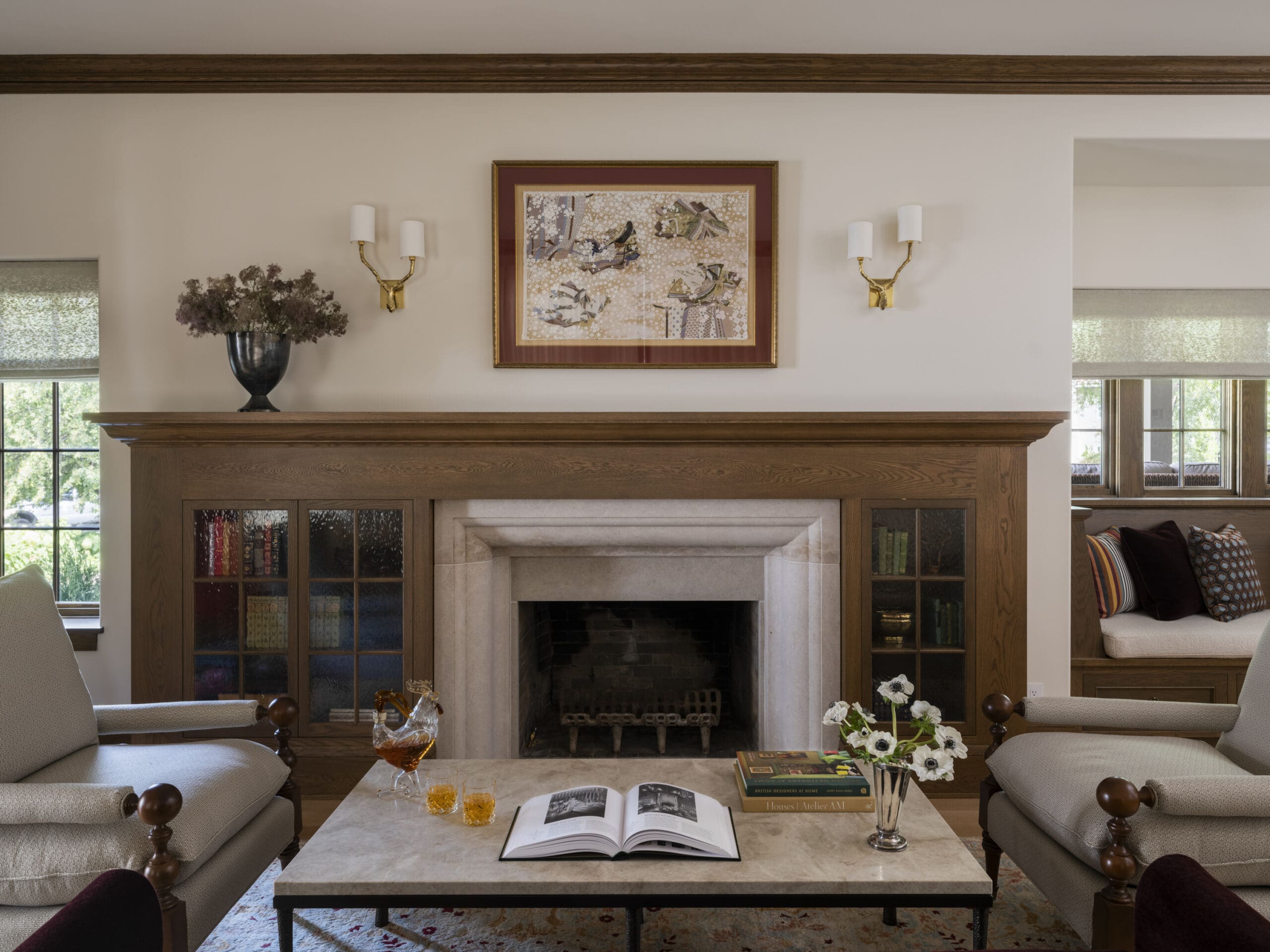
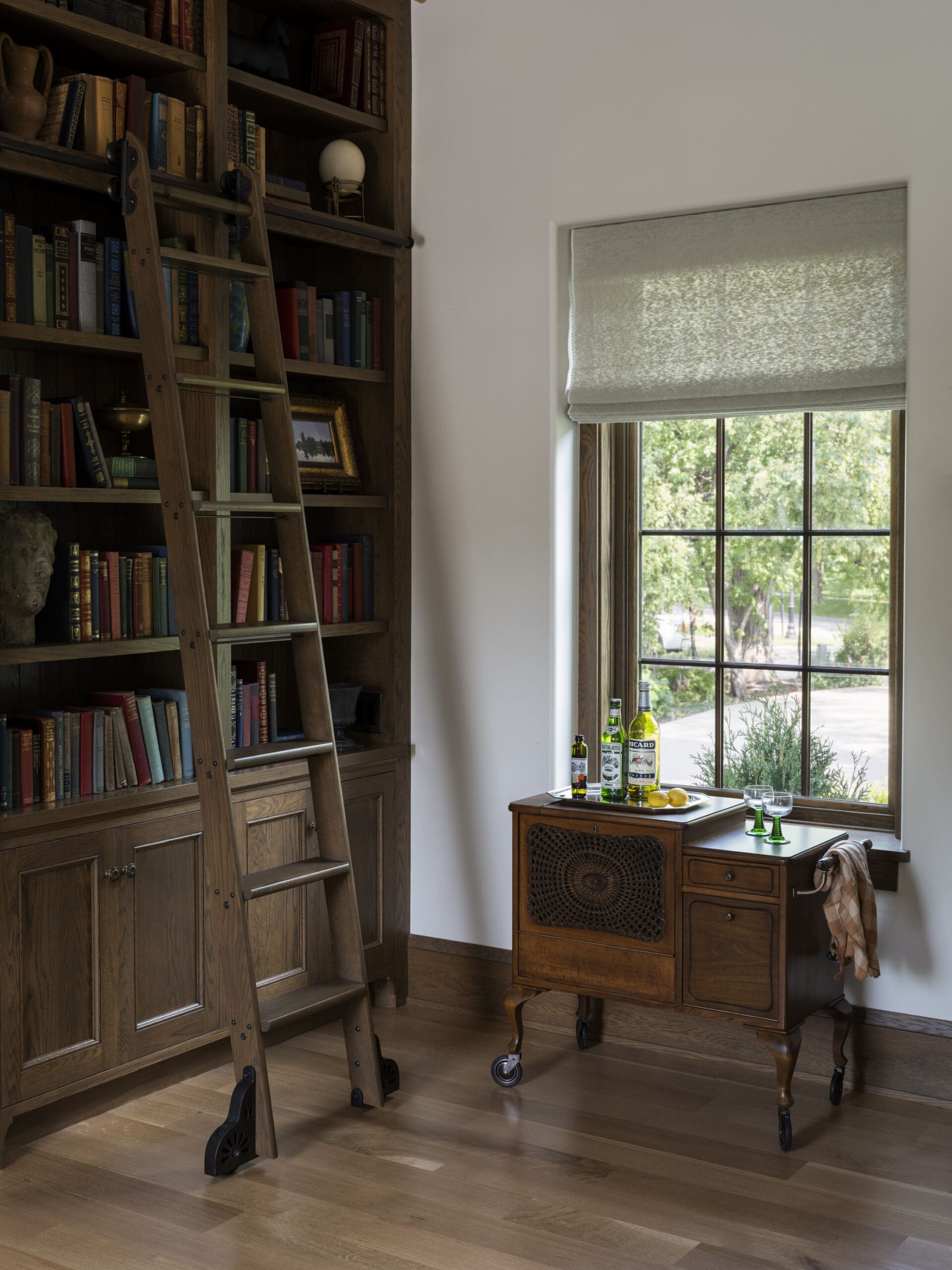
The formal sunken living room became one of the standout spaces in the project. With custom woodwork and a library ladder, it holds onto the home’s original charm while still feeling useful and inviting for the family today.
A Kitchen Addition Designed for Daily Life
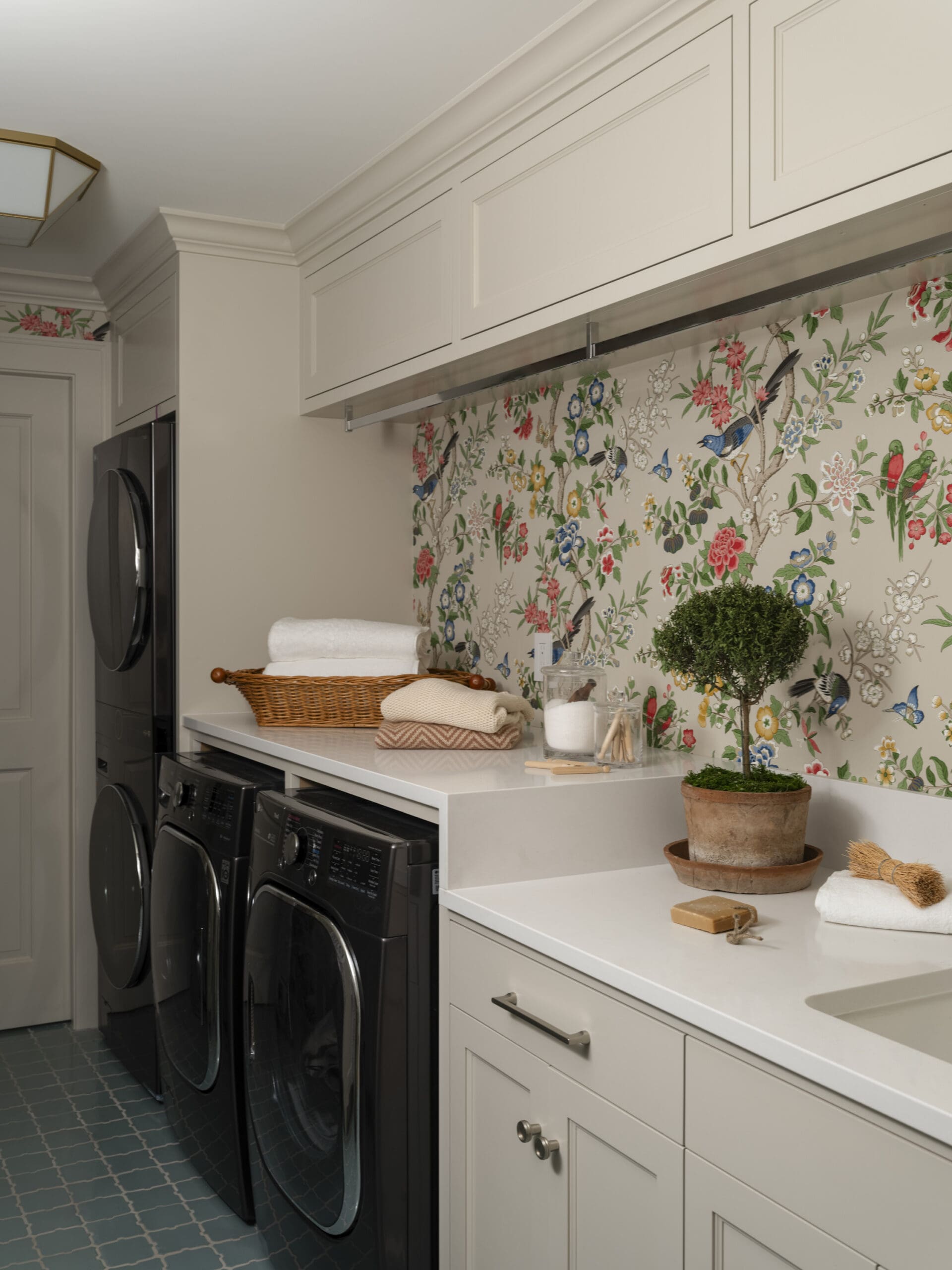
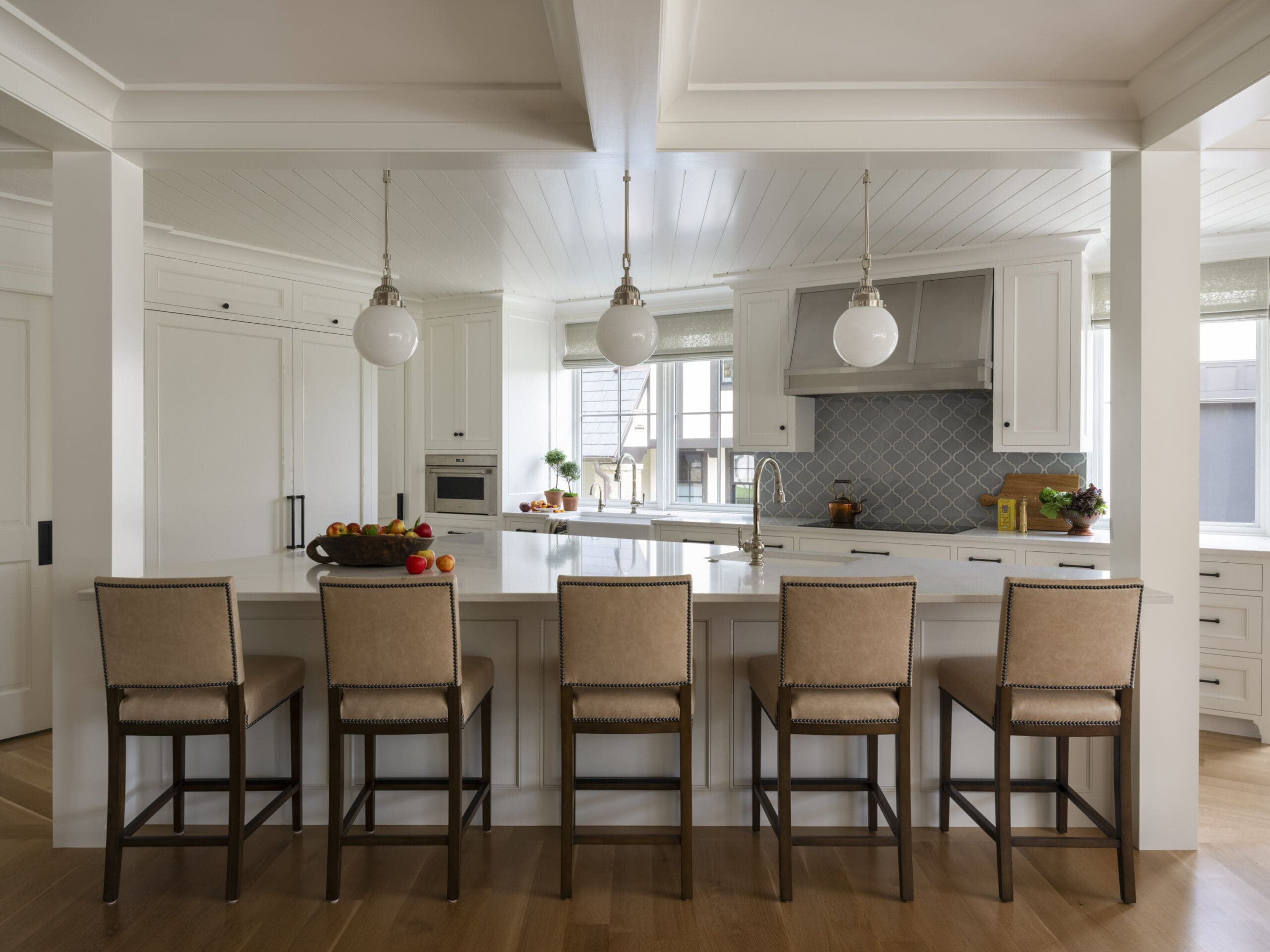
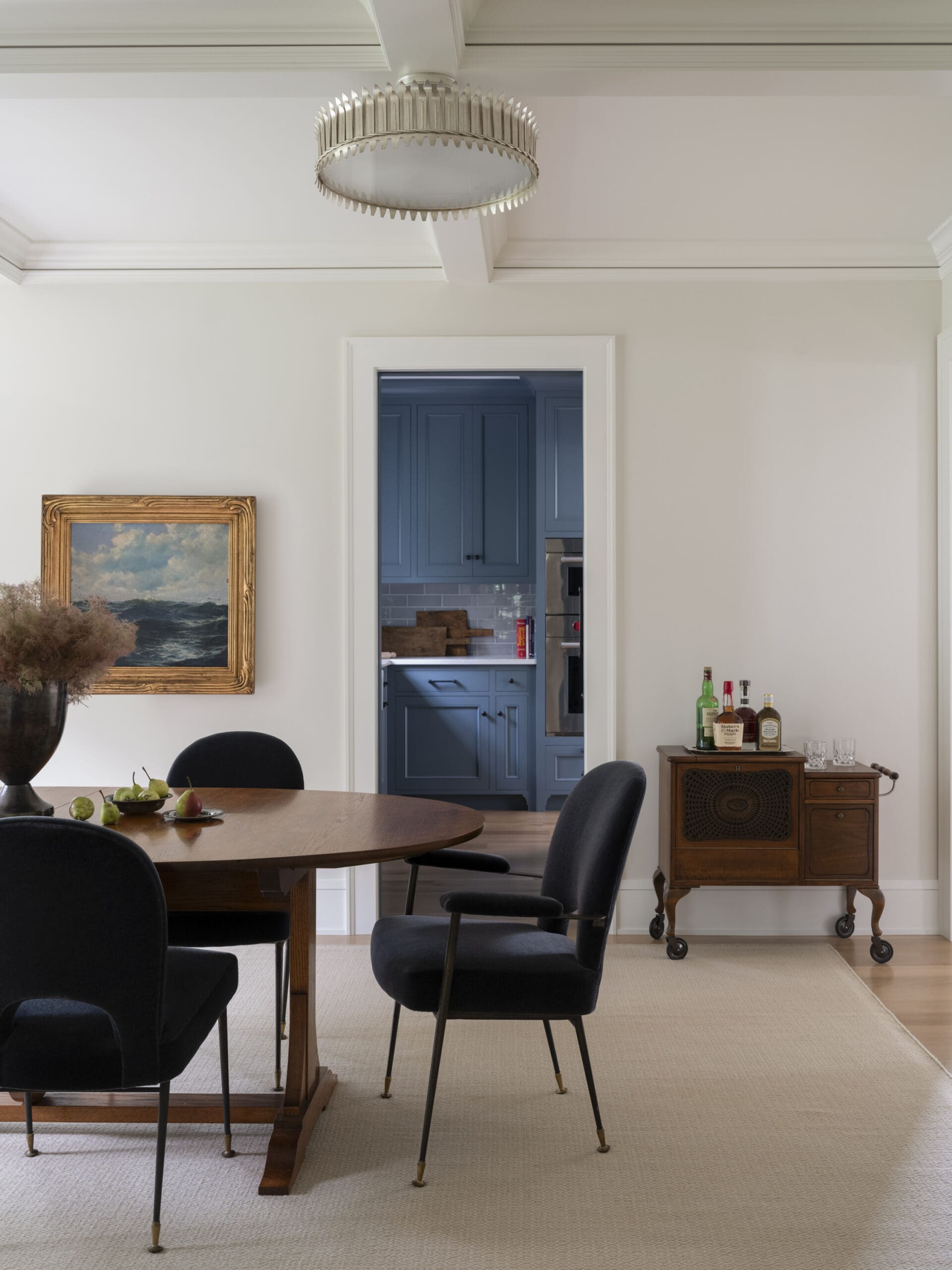
The new kitchen was designed as part of a larger addition, creating a more functional center for the home while still respecting the character of the original architecture. Custom cabinetry by Jon Frost and Trevor Braaten helped maximize storage, including in smaller and more unusual spaces throughout the home.
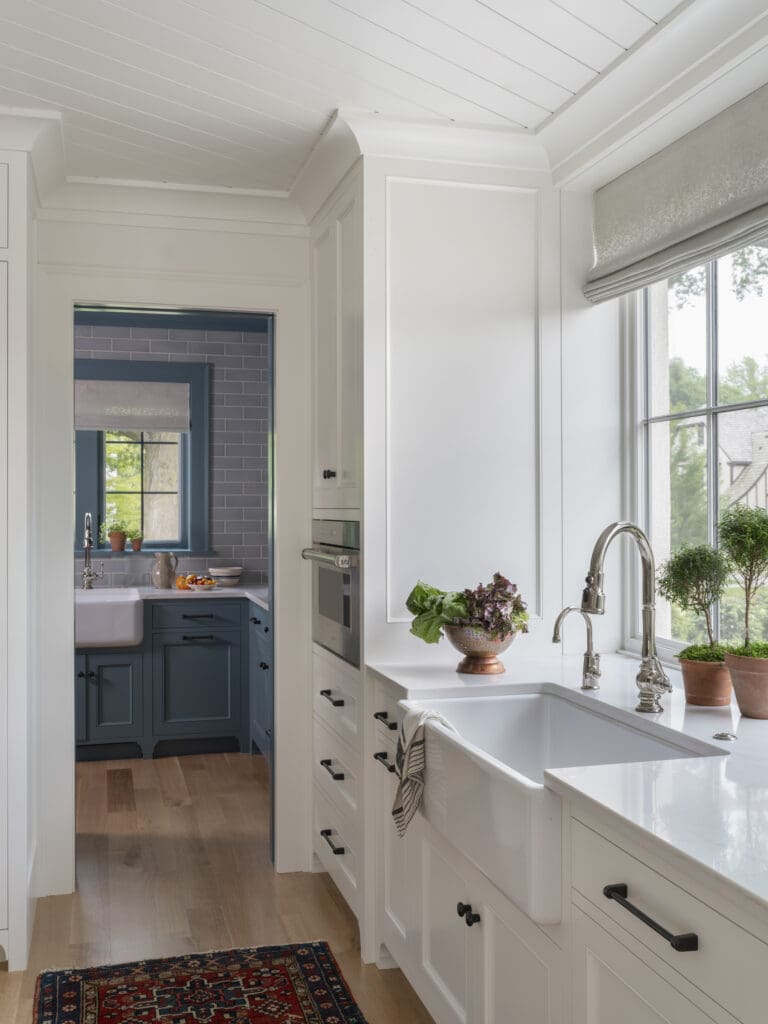
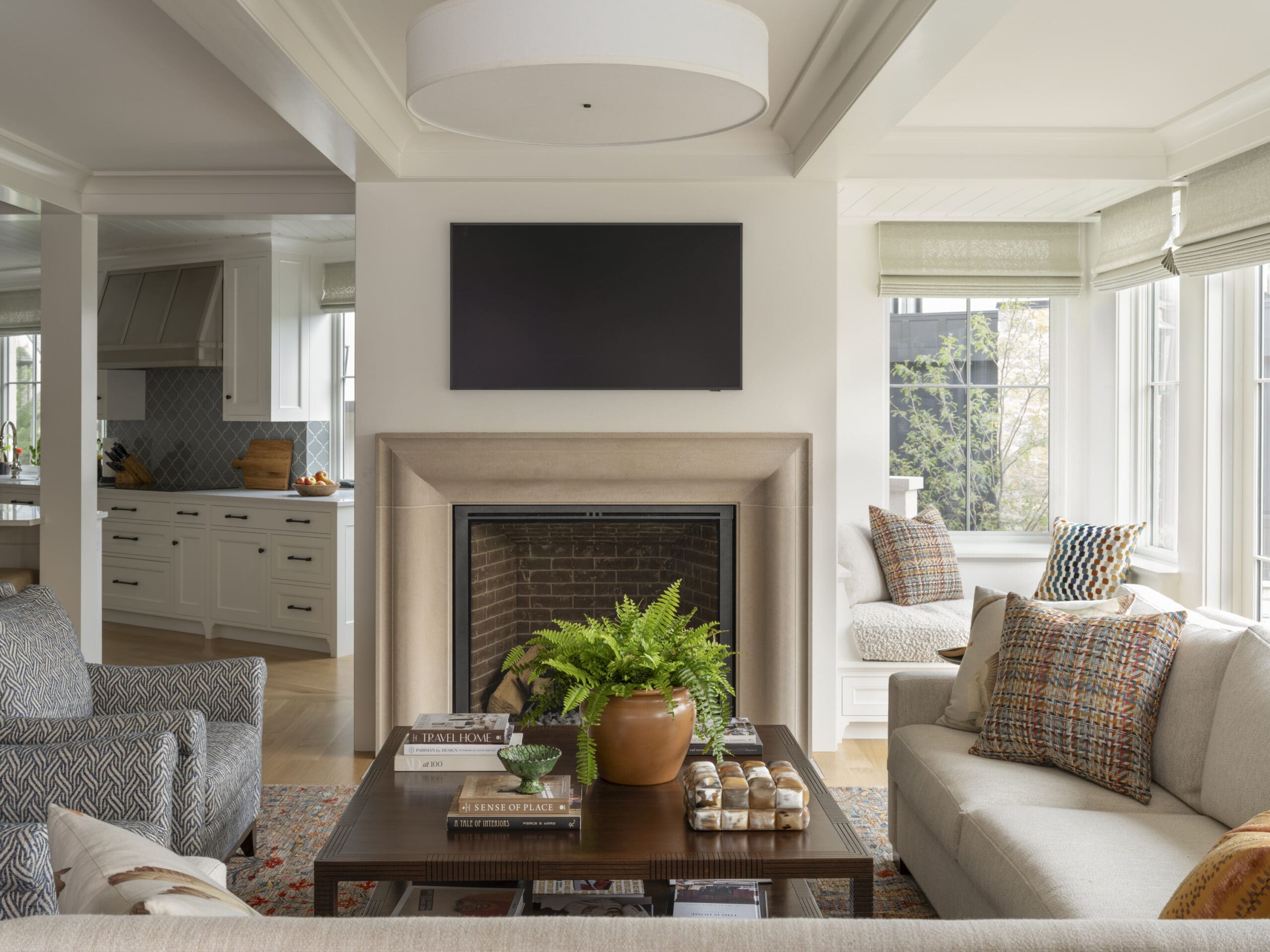
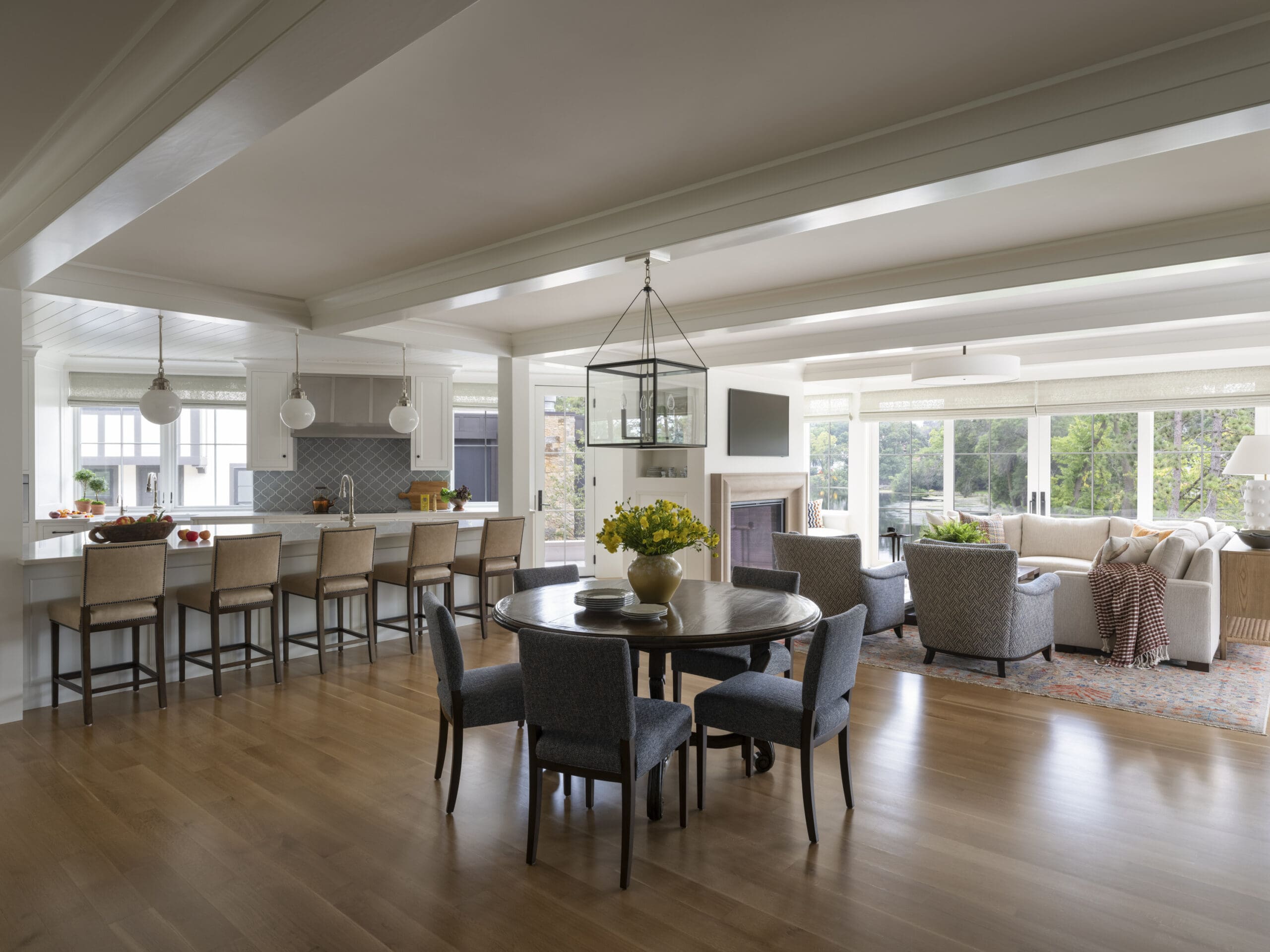
A custom kitchen hood by Bold Metal Work adds a tailored architectural detail, while an adjacent family area and side kitchen support the way the family uses the home day to day. The kitchen is not just a place for cooking, but part of the larger family flow, connecting easily to nearby gathering spaces and offering room for both everyday meals and larger moments together.
Kid-Friendly Spaces on Every Level
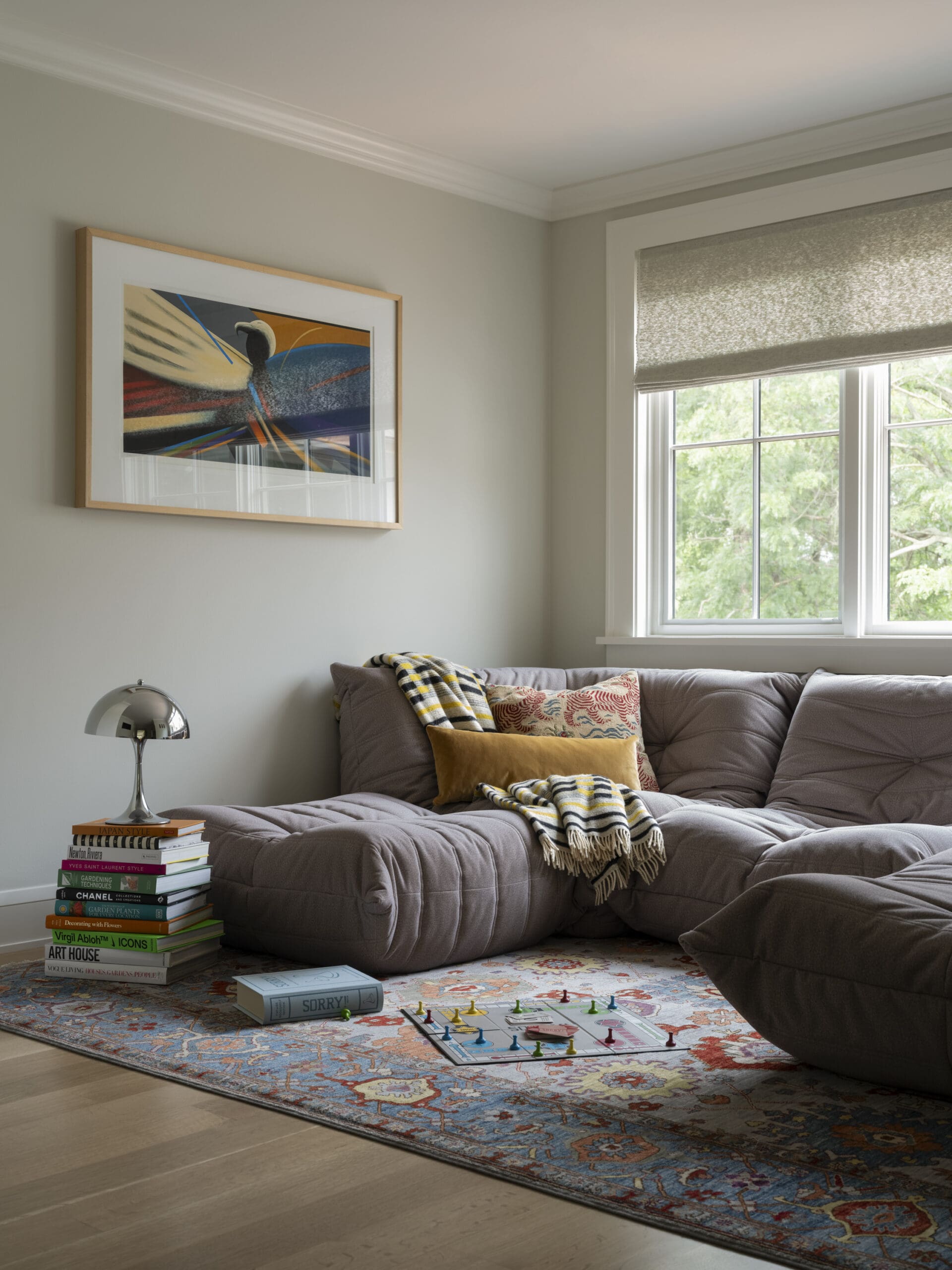
A major focus of the remodel was creating a home that worked well for an active family. Instead of concentrating all of the children’s spaces in one area, PKA Architecture planned places for them to gather across every level of the house.
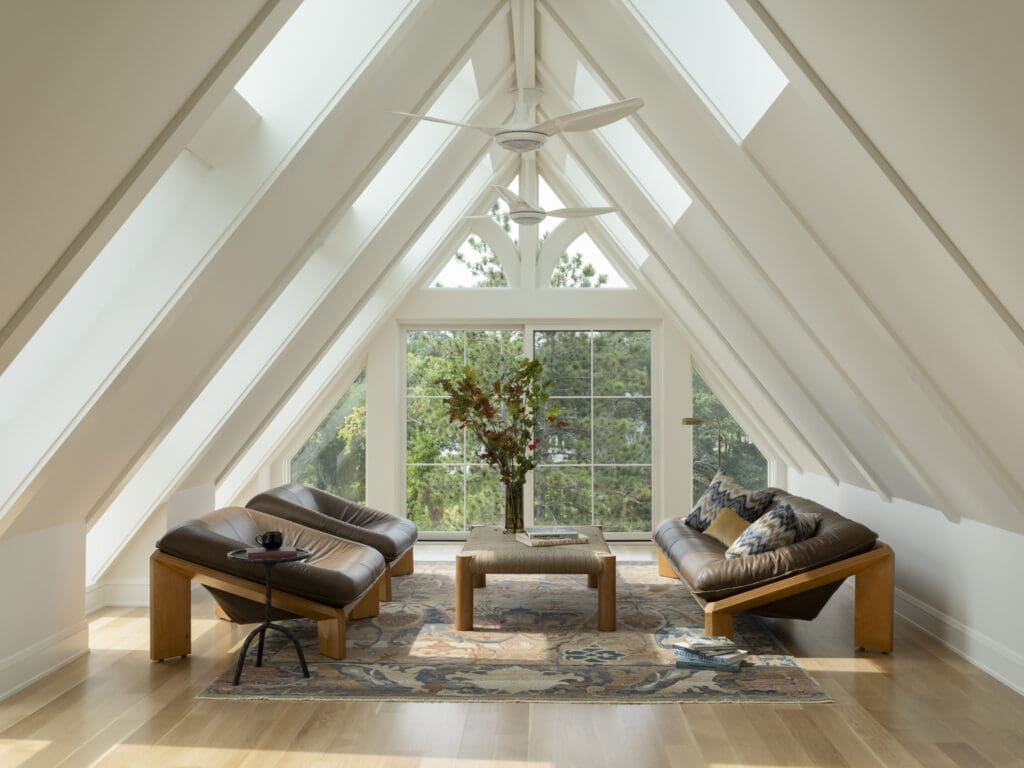
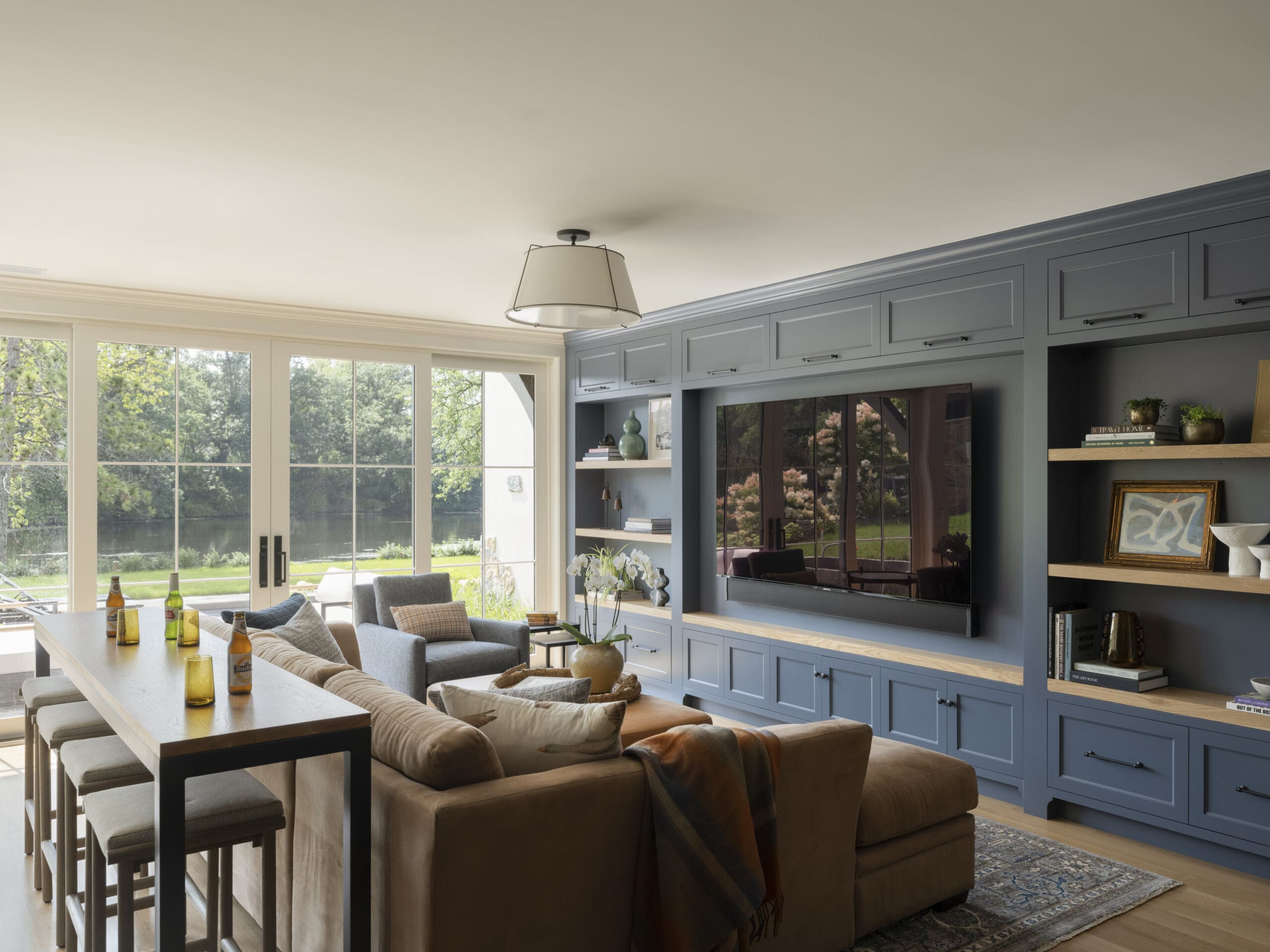
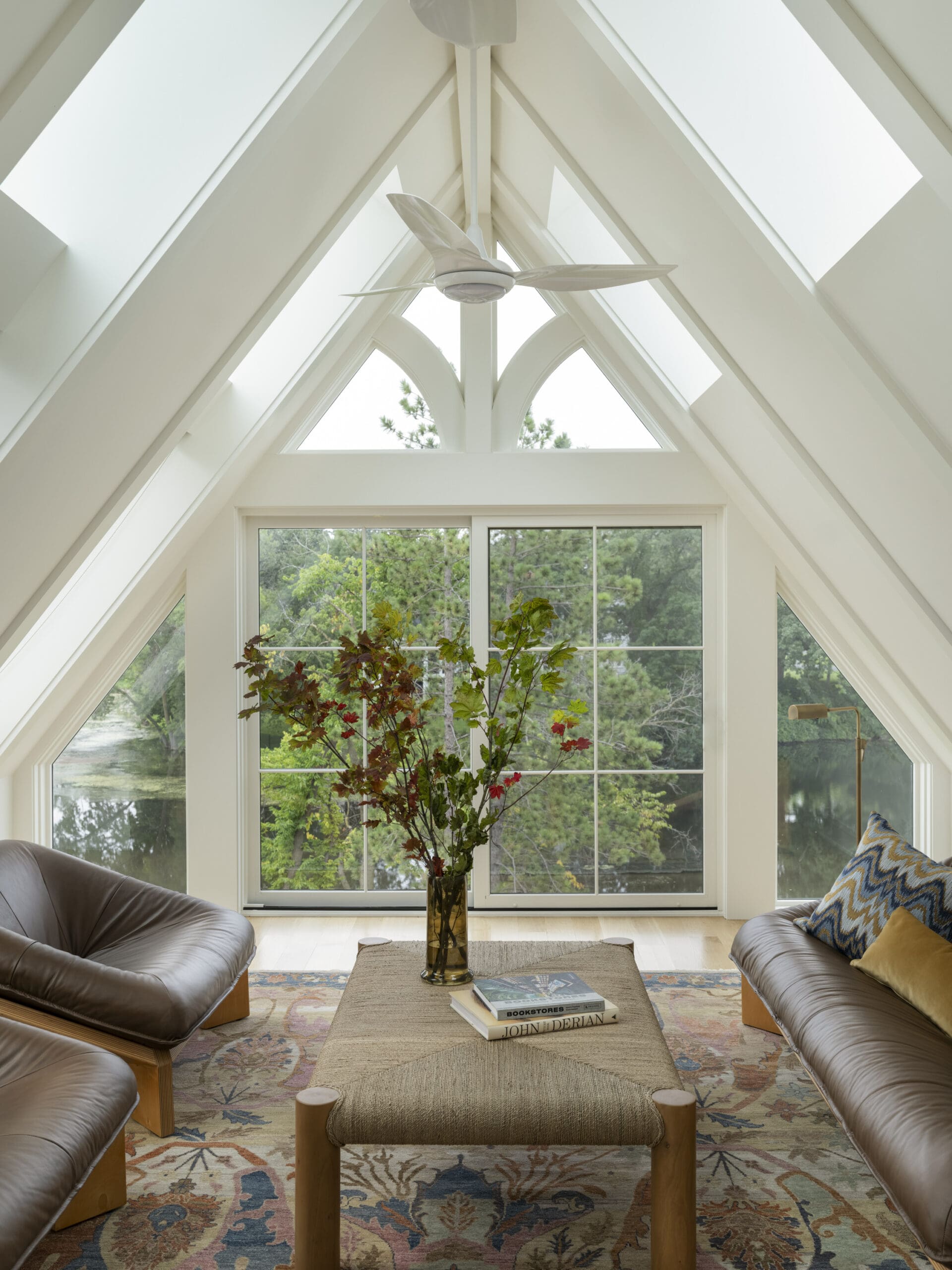
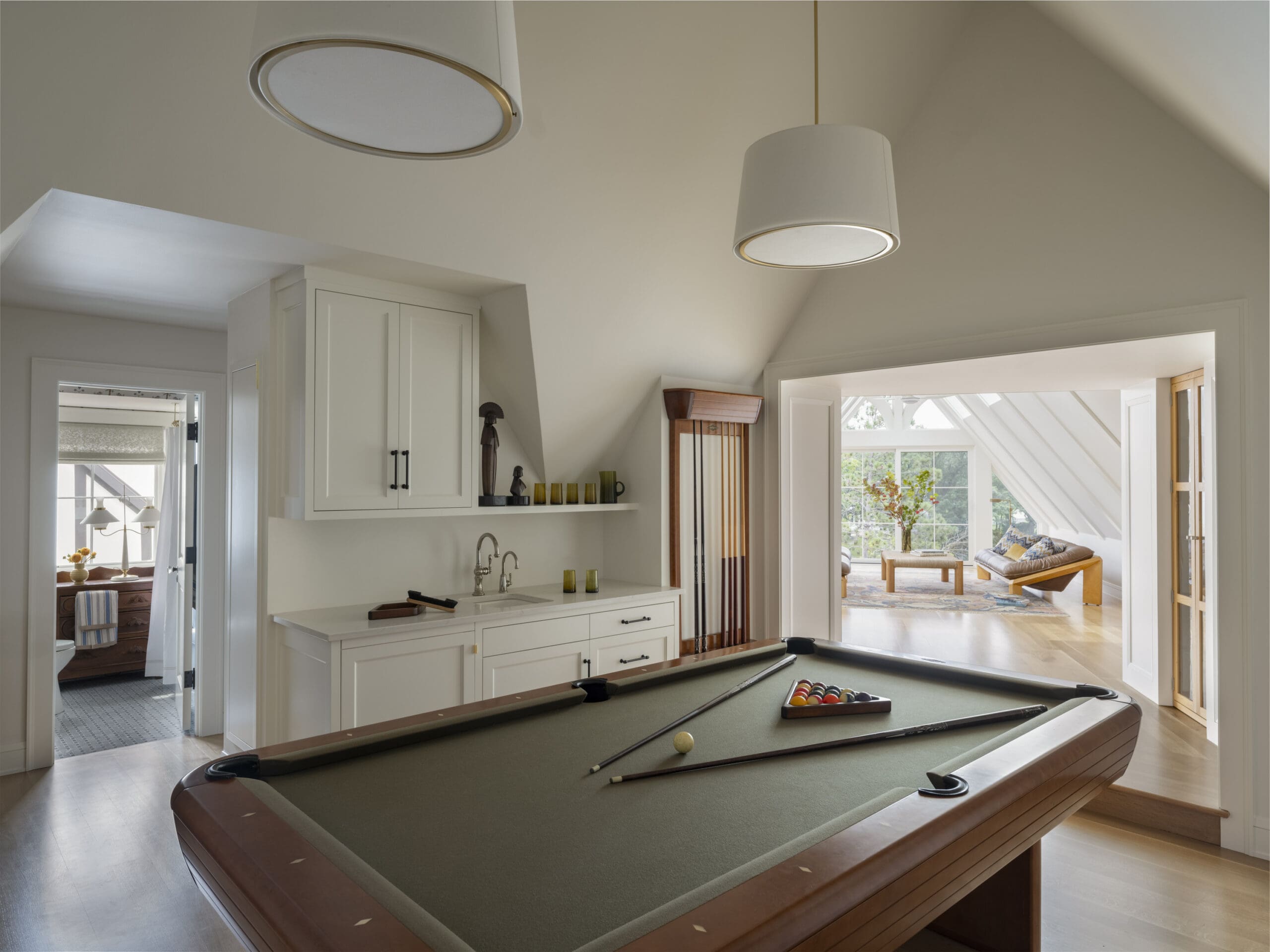
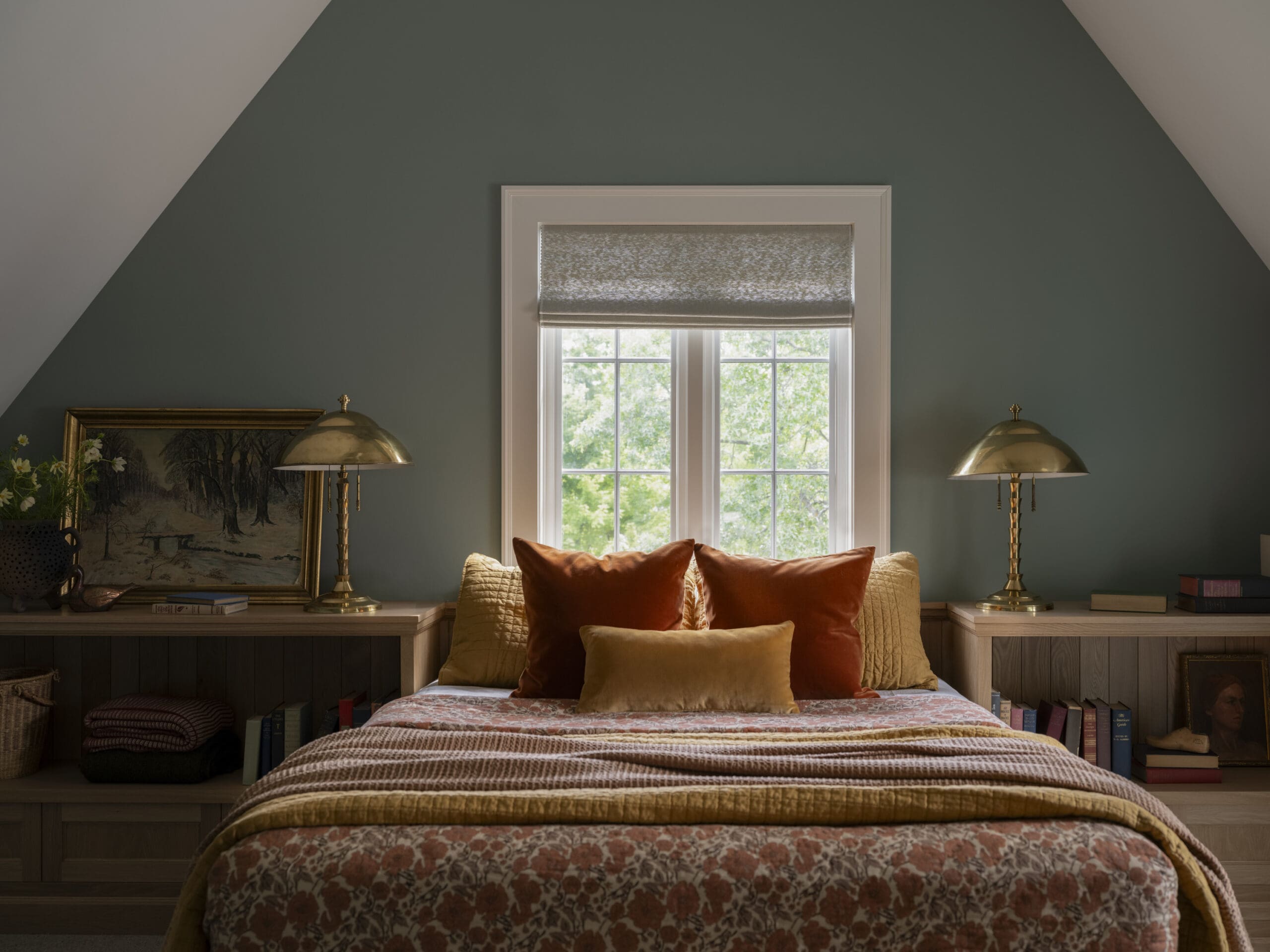
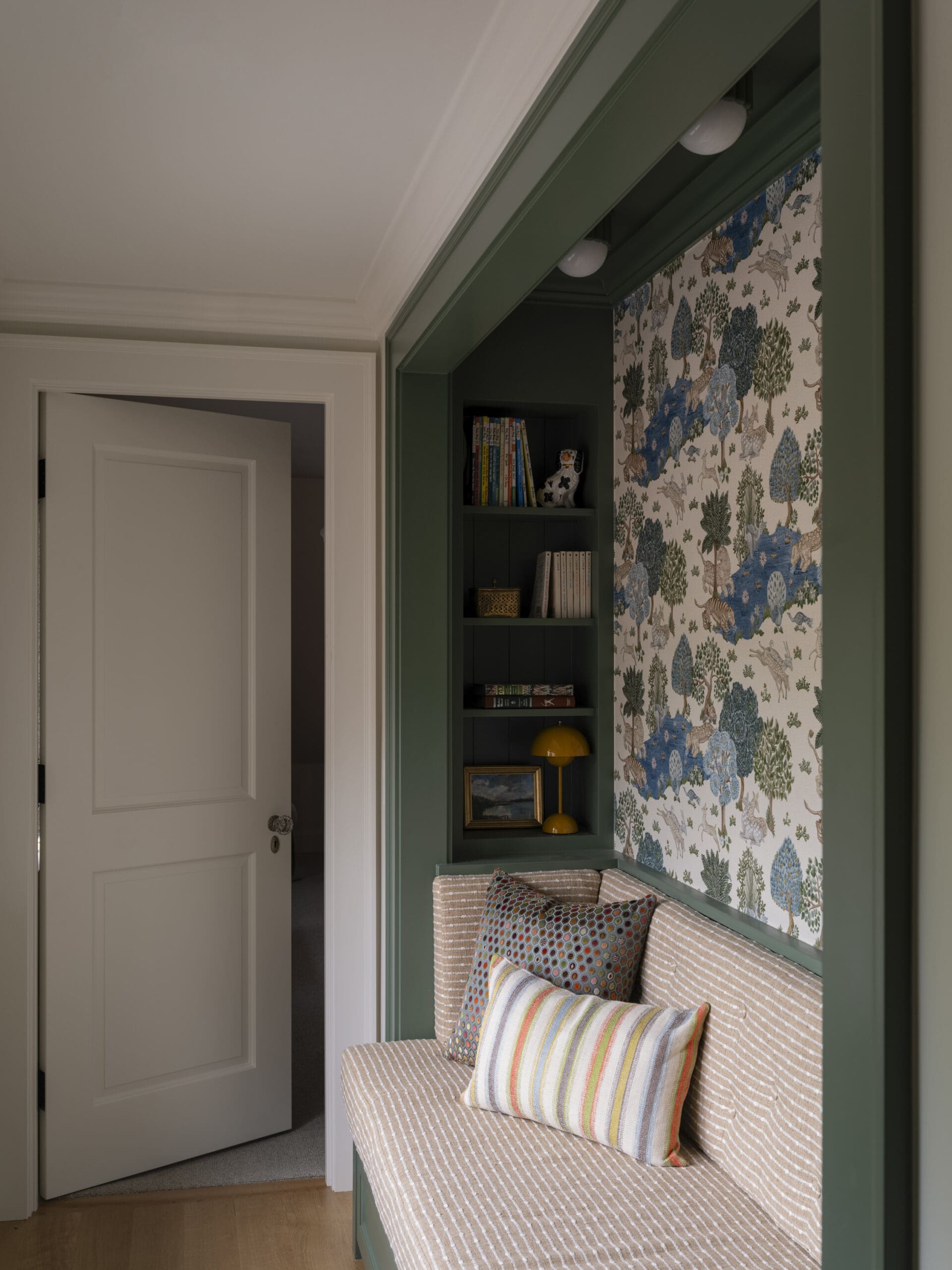
Family rooms with window seats, a second-floor hangout area, a hallway reading niche, a third-floor loft and game room, and a basement family room all give the children room to spread out while still feeling connected to the rest of the home. These spaces were designed to be cozy, practical, and easy to use, whether the family is winding down, playing games, reading, or spending time together.
Connecting the Home to the Creekside Setting
The home’s location along Minnehaha Creek became an important part of the design. Outdoor access and creekside activities were prioritized, with pocketing doors and balcony-style windows helping connect the interiors to the surrounding landscape.
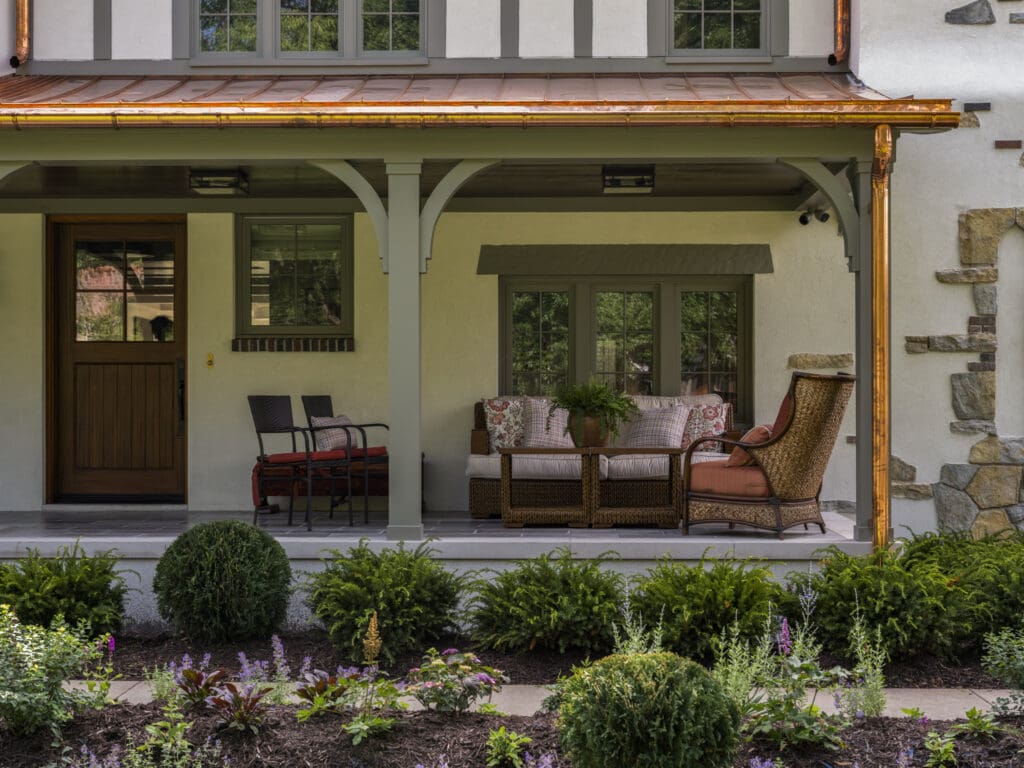
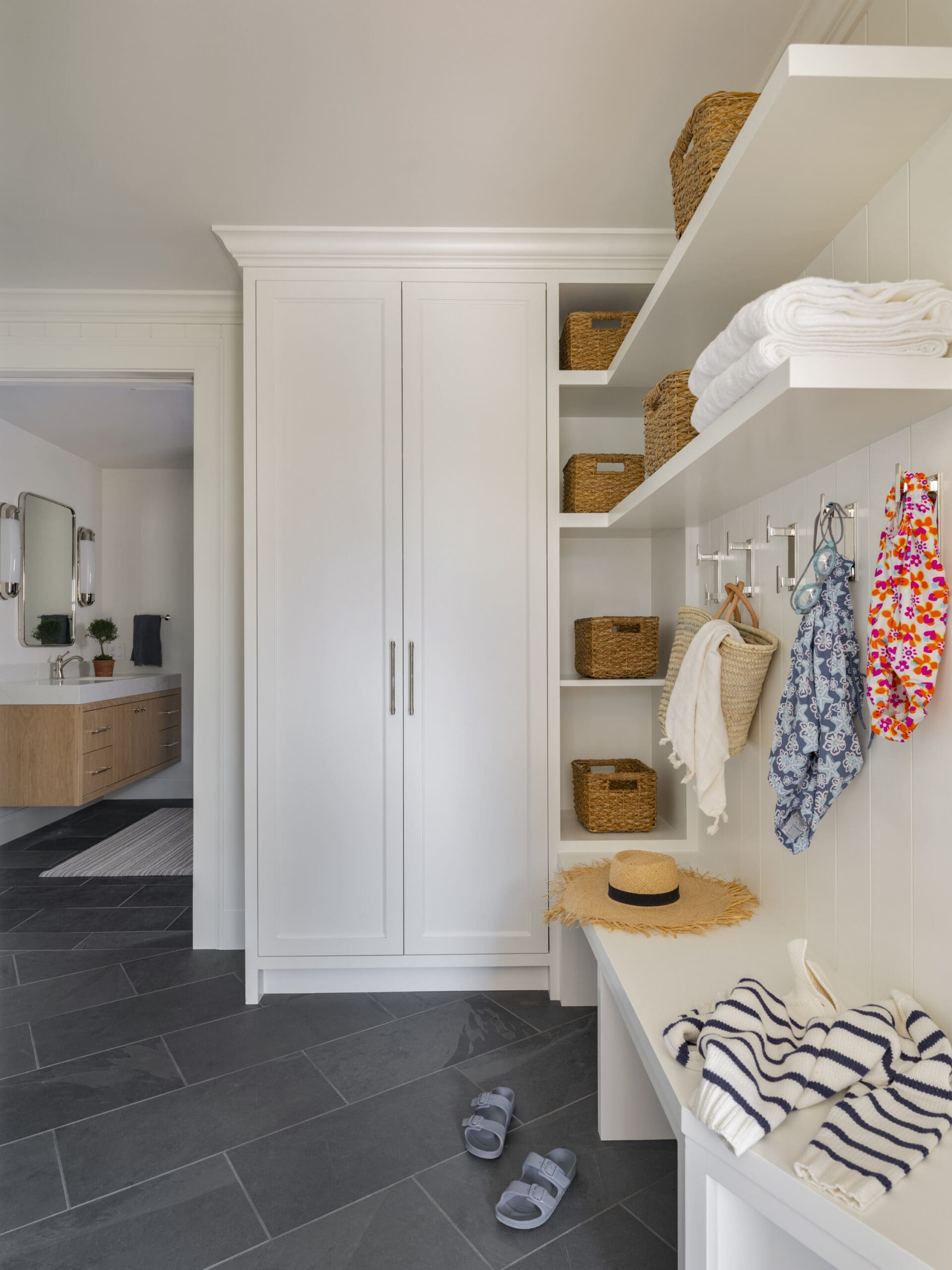
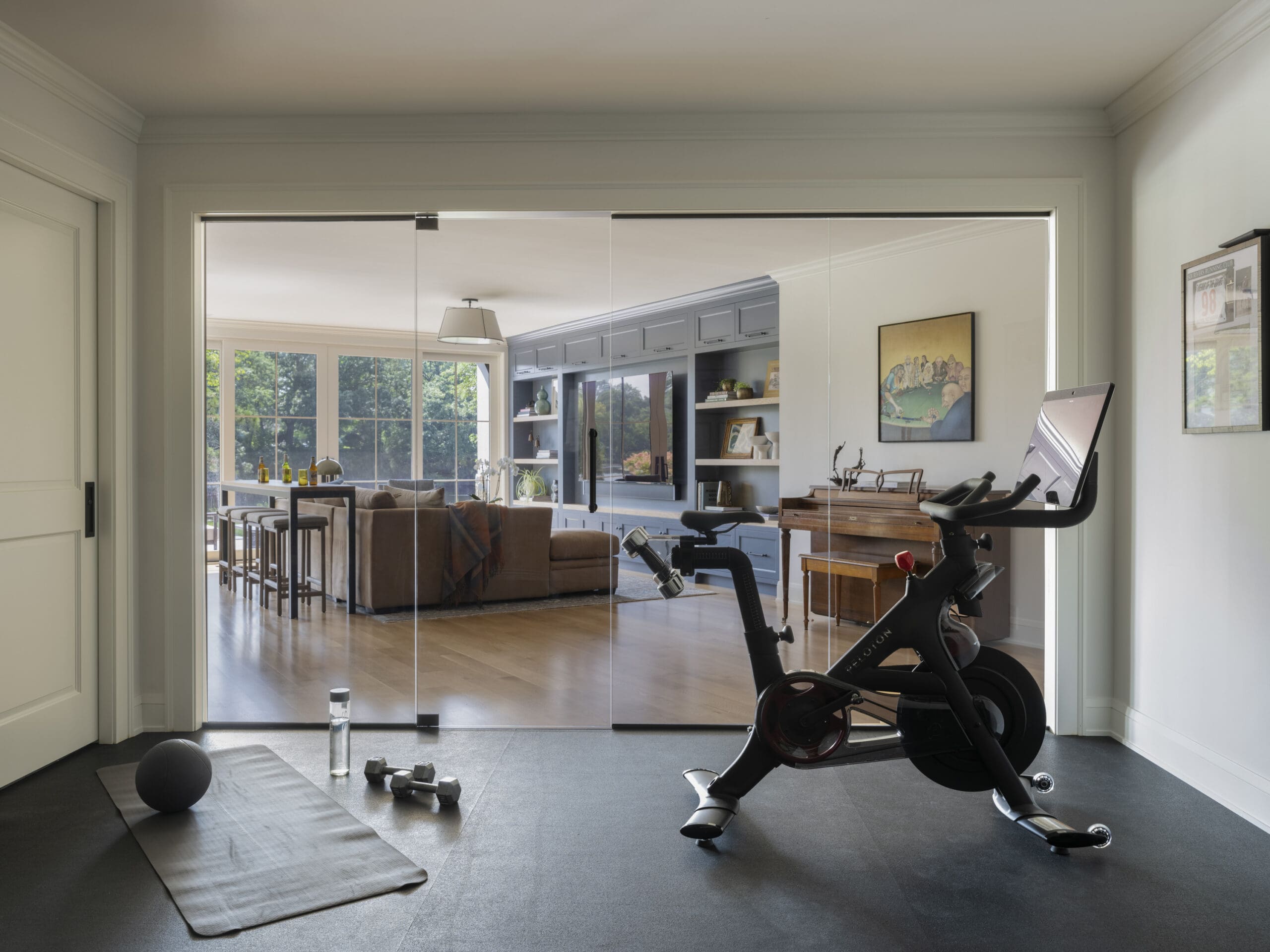
The addition also included support spaces for the pool and a large exercise area, giving the family more ways to use the home year-round. At the front of the house, a covered porch was added to engage with the neighborhood’s pedestrian culture and create a place for the family to enjoy the front lawn.
Future-proofing was also built into the plan, including space for a potential elevator and dumbwaiter. These details allow the home to continue serving the family over time, without compromising the historic character that made it special in the first place.
Scroll on to see more from this home and shop the look below.
BY: Jasmyne Muir
« This Austin Home Proves the Power of Beautiful Restraint >
Shop