Shop

How to Use the “One Weird Thing Rule” to Make Any Room Feel More Interesting
If your home feels a little too put-together, it might be because everything fits a little too well. The trick is to add something unexpected. Designers call it the “One Weird Thing” rule, and it’s the easiest way to add personality without overthinking it.
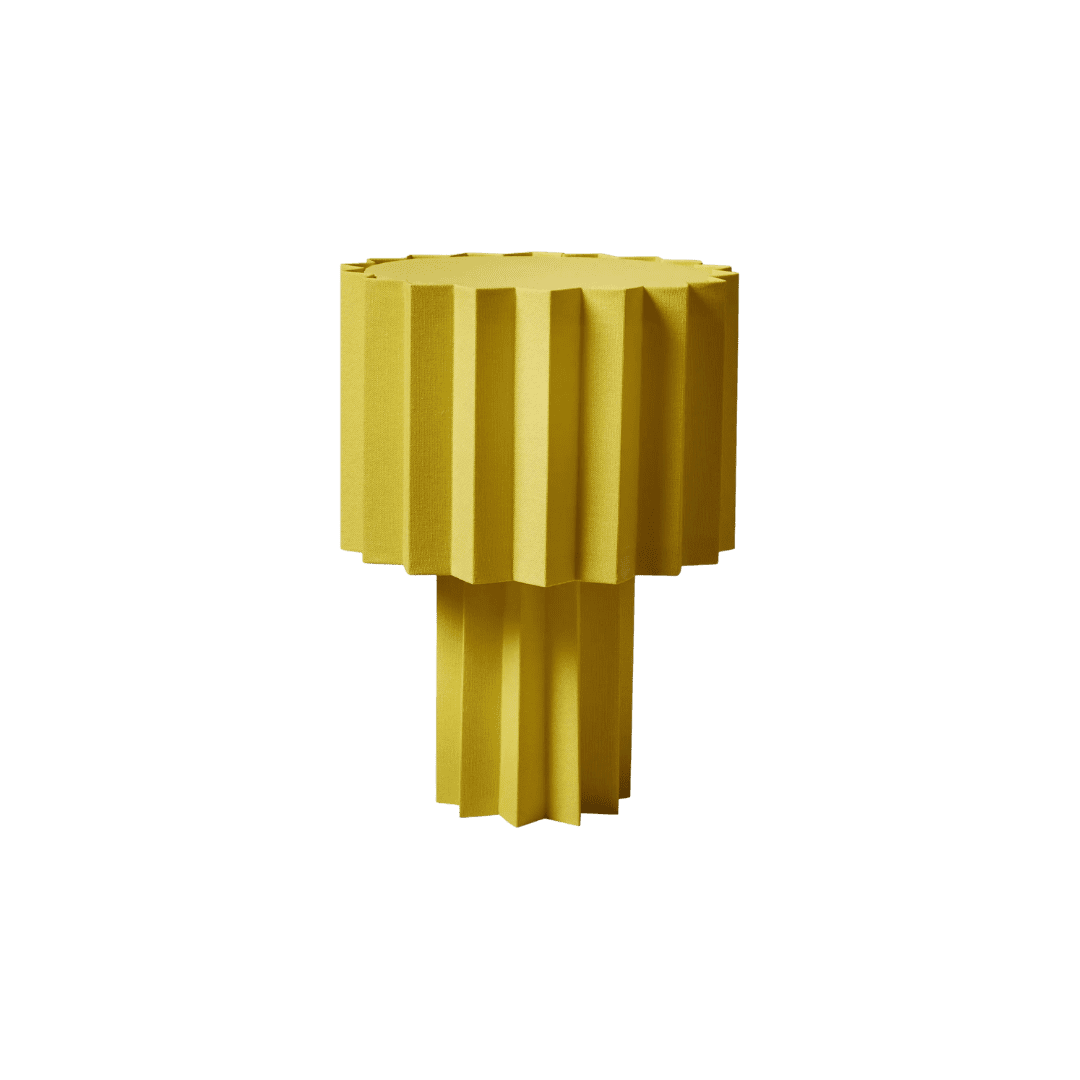
The best homes make you curious. You walk in and your eye lands on something you can’t quite explain. Maybe it’s a table lamp shaped like a mushroom, an unexpectedly placed piece of artwork, or a small ceramic duck sitting on a shelf like it owns the place. Whatever it is, it pulls you in. That’s the One Weird Thing rule.
Designers are relishing in this feeling of embracing the weird, adding the kinds of odd little moments that make a space feel quirky and alive. “My design philosophy is that a room should feel collected and not bought,” says designer Shelbie Cox of Shelbie Cox Studio. “A room always needs something that feels a little offbeat or obscure to create interest and entice you to stay a bit longer. An interesting vintage chair or an odd accessory brings curiosity and joy to an interior and helps tell the story of those who inhabit it. It’s also a great conversation starter when hosting.”
It’s the same idea as the “unexpected red theory,” the design trick where adding a pop of red—often in a place it doesn’t seem to belong—somehow makes everything else feel more intentional. One move that brings the whole room into balance by being just a little off. TLDR? Every room benefits from something that surprises you just enough to make you look twice.
(Hero Image) Design: Shelbie Cox Studio, Photography: Molly Haas
Tips for Using the One Weird Thing Rule
1. Follow what feels slightly off and makes you smile.
Don’t overthink it. The “weird” thing is whatever makes you pause. If it makes you smile or tilt your head for a second, that’s usually a good sign. Take this bathroom by HÁM Interiors, for example—it strikes the perfect balance between sophistication and humor. It’s proof that good design doesn’t have to take itself too seriously.

Design: HÁM Interiors, Photography: Alexander James
2. Create contrast, not chaos.
The magic happens when things shouldn’t work together but somehow do. At Bamboo House, a sculptural light fixture and chrome table meet rustic wood paneling and a leopard-print banquette. The mix feels unexpected but easy, a reminder that contrast is what keeps a space from feeling too safe.
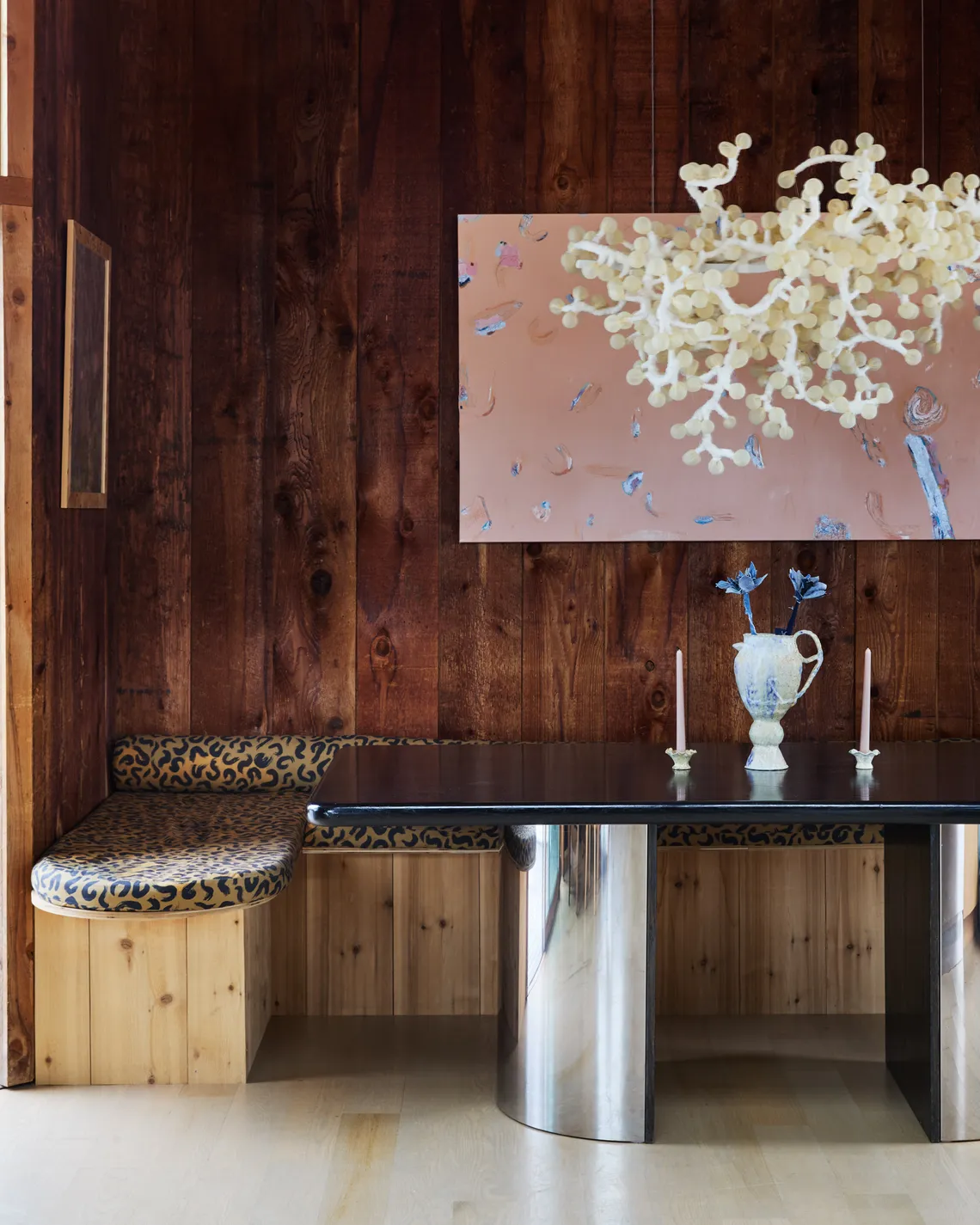
Design: Bamboo House; Photography: Annie Schlechter
3. Chase imperfection.
A handmade vase that’s a little wobbly, a painting that’s slightly crooked—those are the details that make a space feel lived in. Perfect can be boring, and nobody knows that better than Leanne Ford, who’s never been afraid to do things her own way. In her Church Lane project, she used mismatched slabs of marble behind the sink, embracing the cracks and uneven edges instead of hiding them.
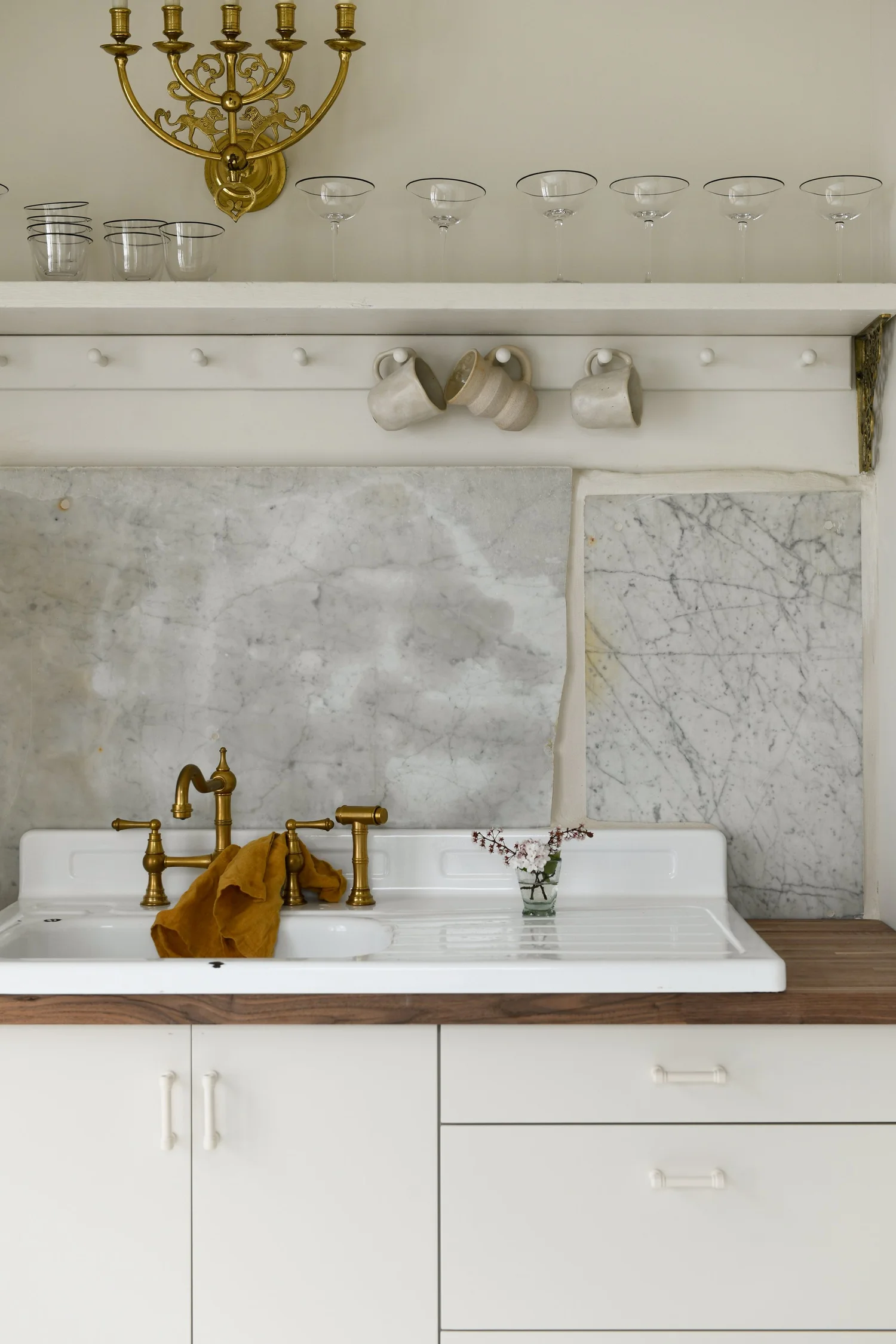
Design: Leanne Ford, Photography: Erin Kelly
4. Let color do the talking.
Sometimes, the easiest way to add something unexpected is through the use of color. Even one jolt of unexpected color can shift the entire mood. In Reath Design’s Cape Ann project, lavender, red, and sky blue each have their moment without competing. The red sink legs, patterned curtains, and purple tub keep your eye moving and your brain delighted. It’s color doing what it does best, keeping things lively without feeling loud.
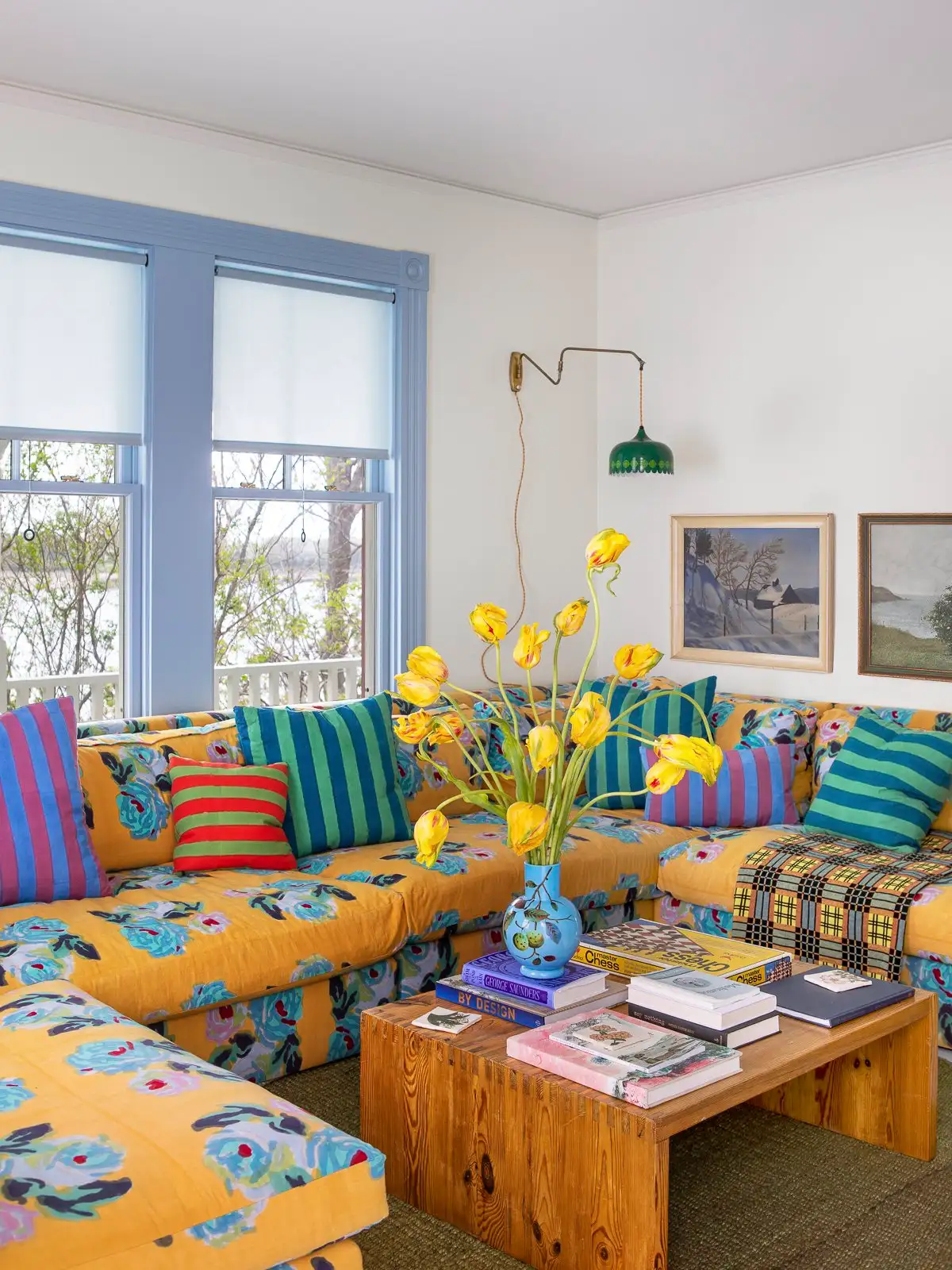
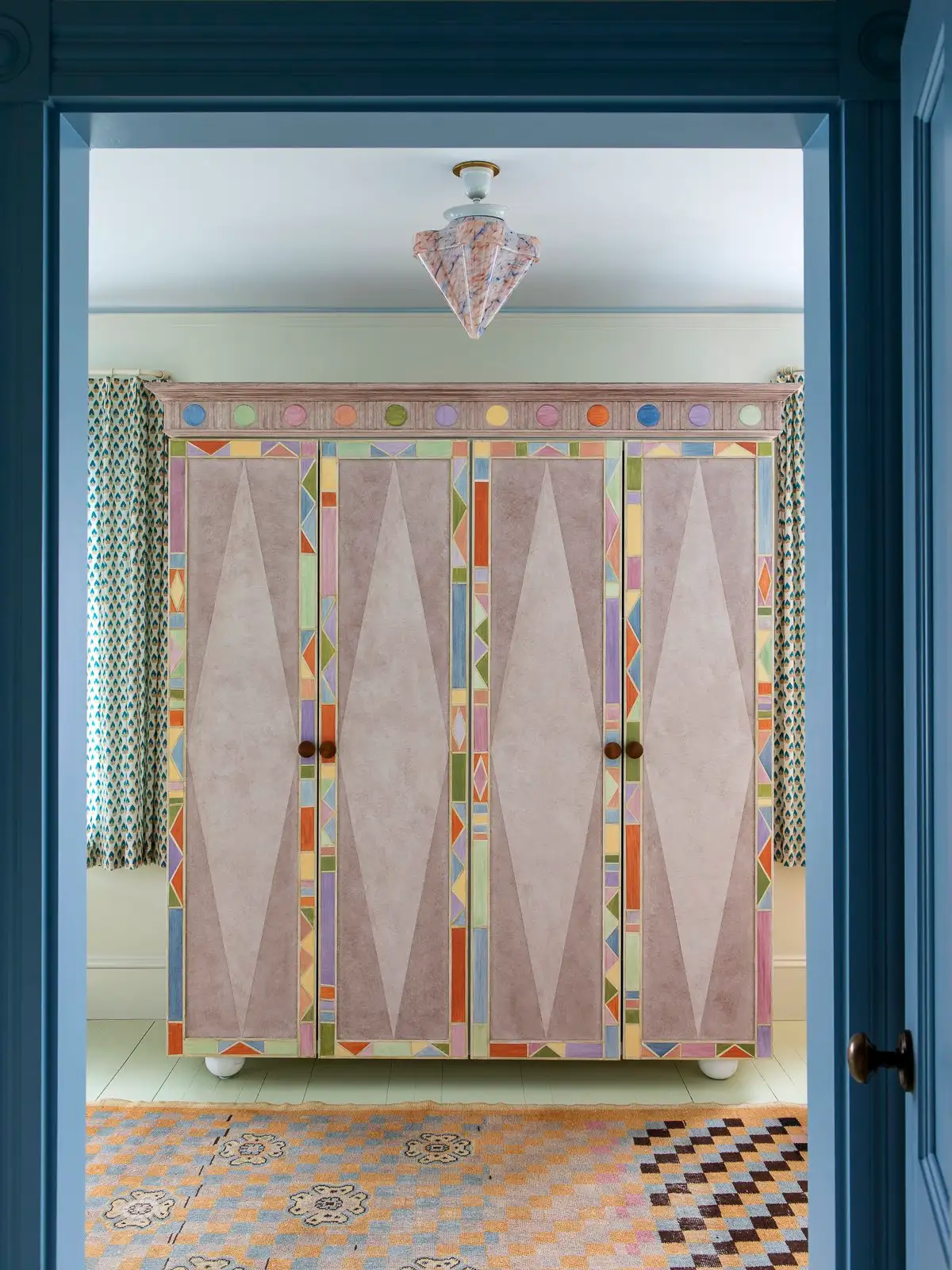
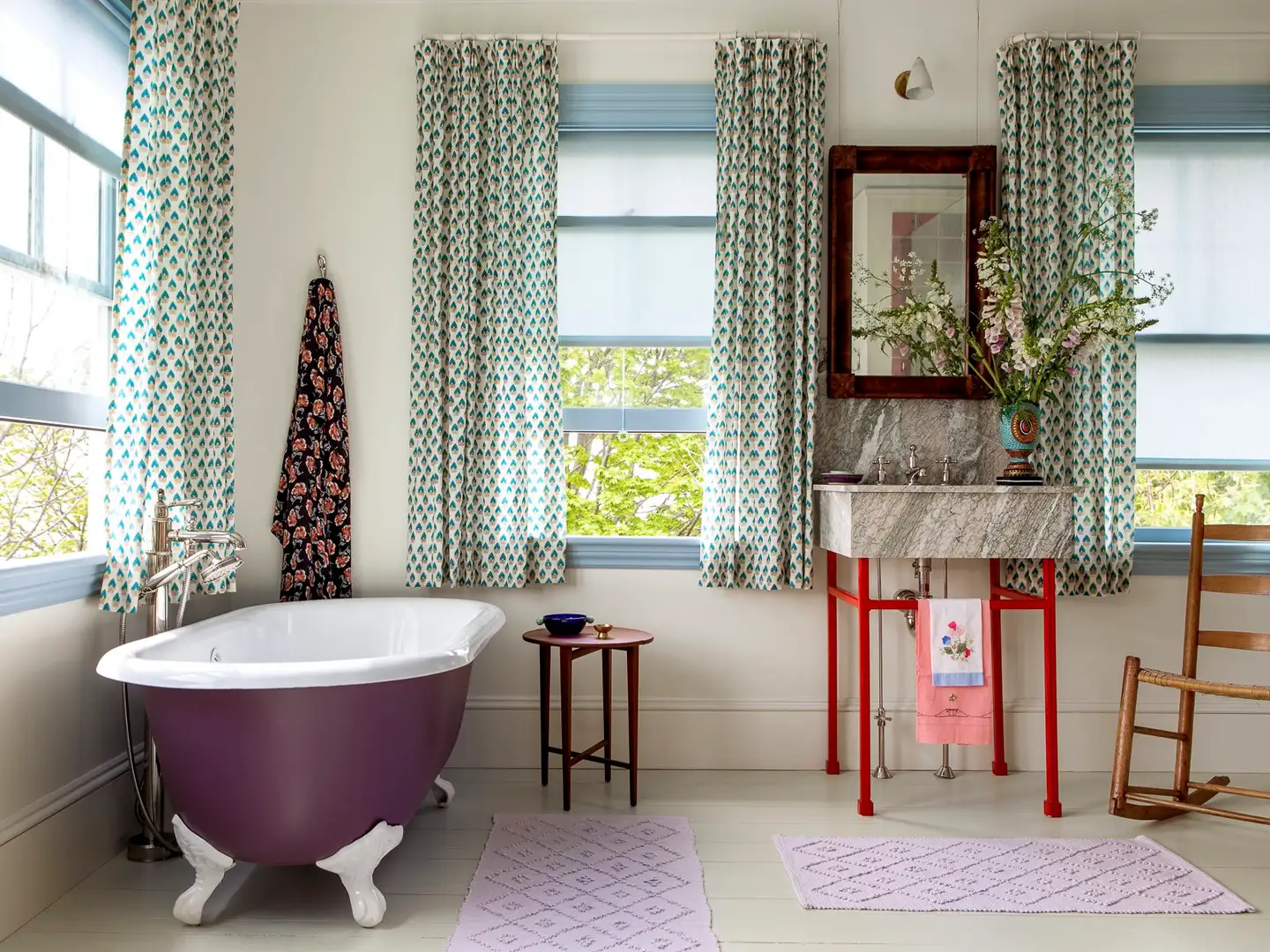
Design: Reath Design, Photography: Laure Joliet
5. Don’t limit it to stuff.
Your weird thing doesn’t have to be an object—it can be how you use the space itself. Wallpaper or paint on the ceiling, art hung around a doorway, a sculptural light in an unexpected spot. At Daniella Villamil’s Park Towers project, the hand-painted ceiling turns a simple hallway into a showstopper.
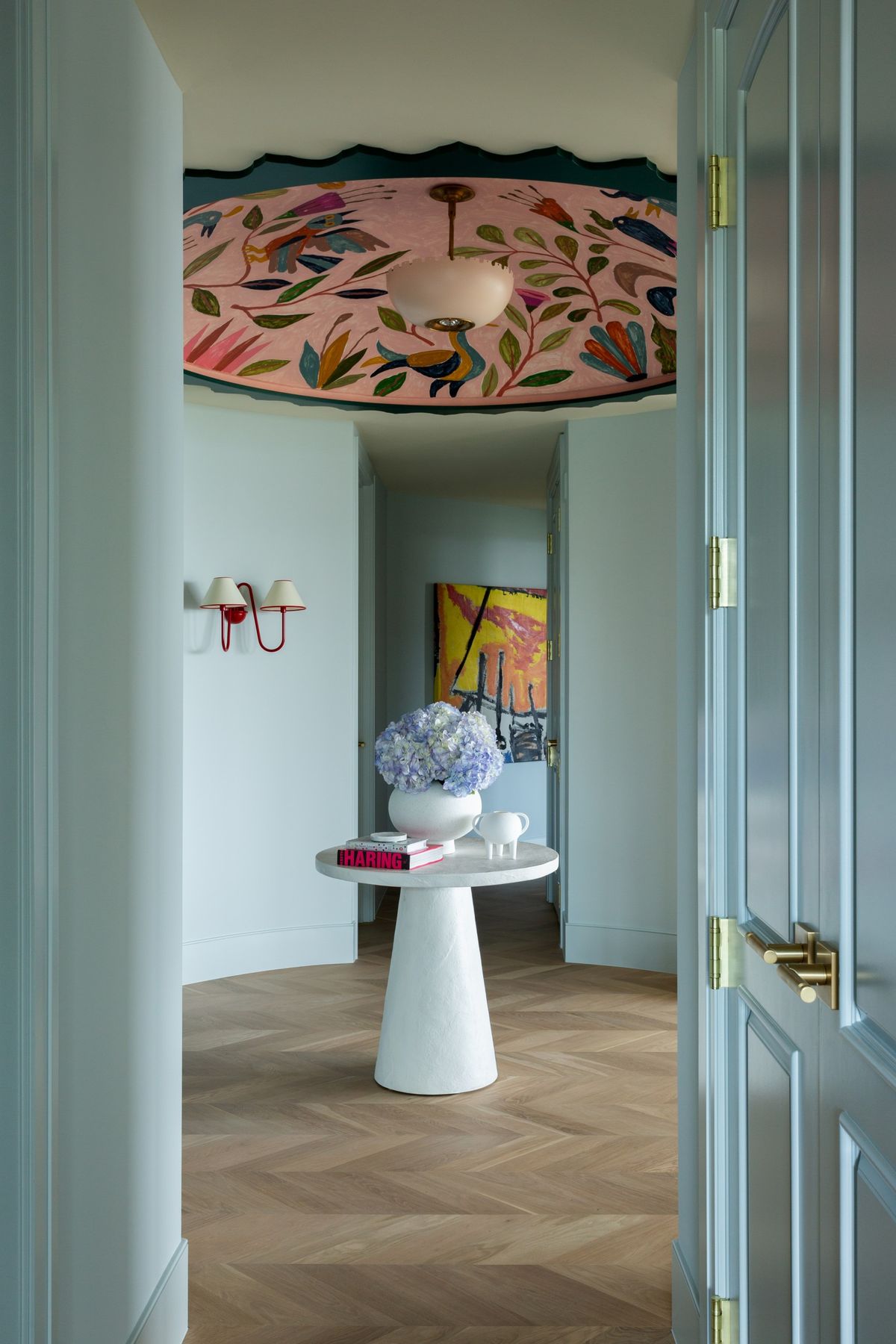
Design: Daniella Villamil, Photography: Amy Bartlam
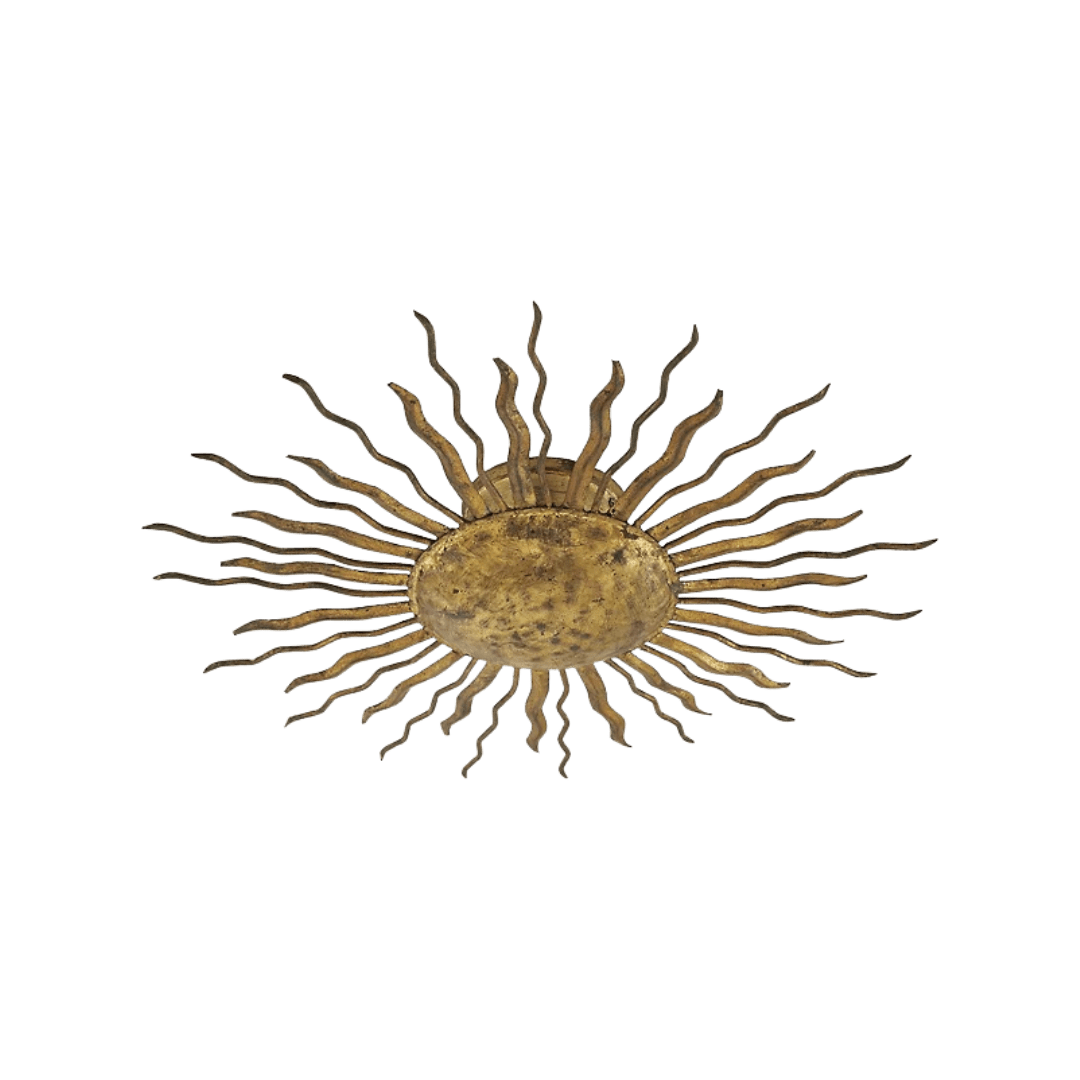
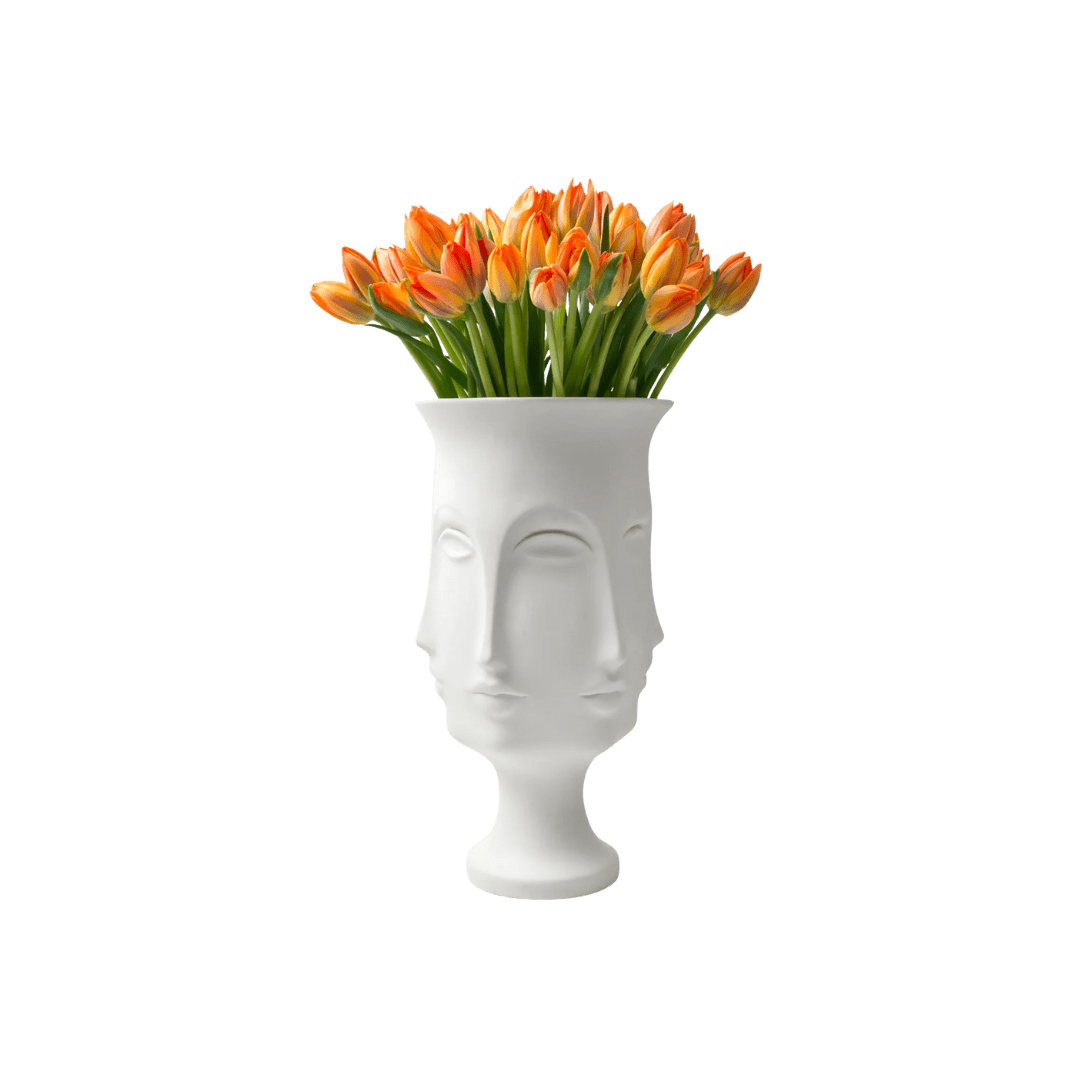
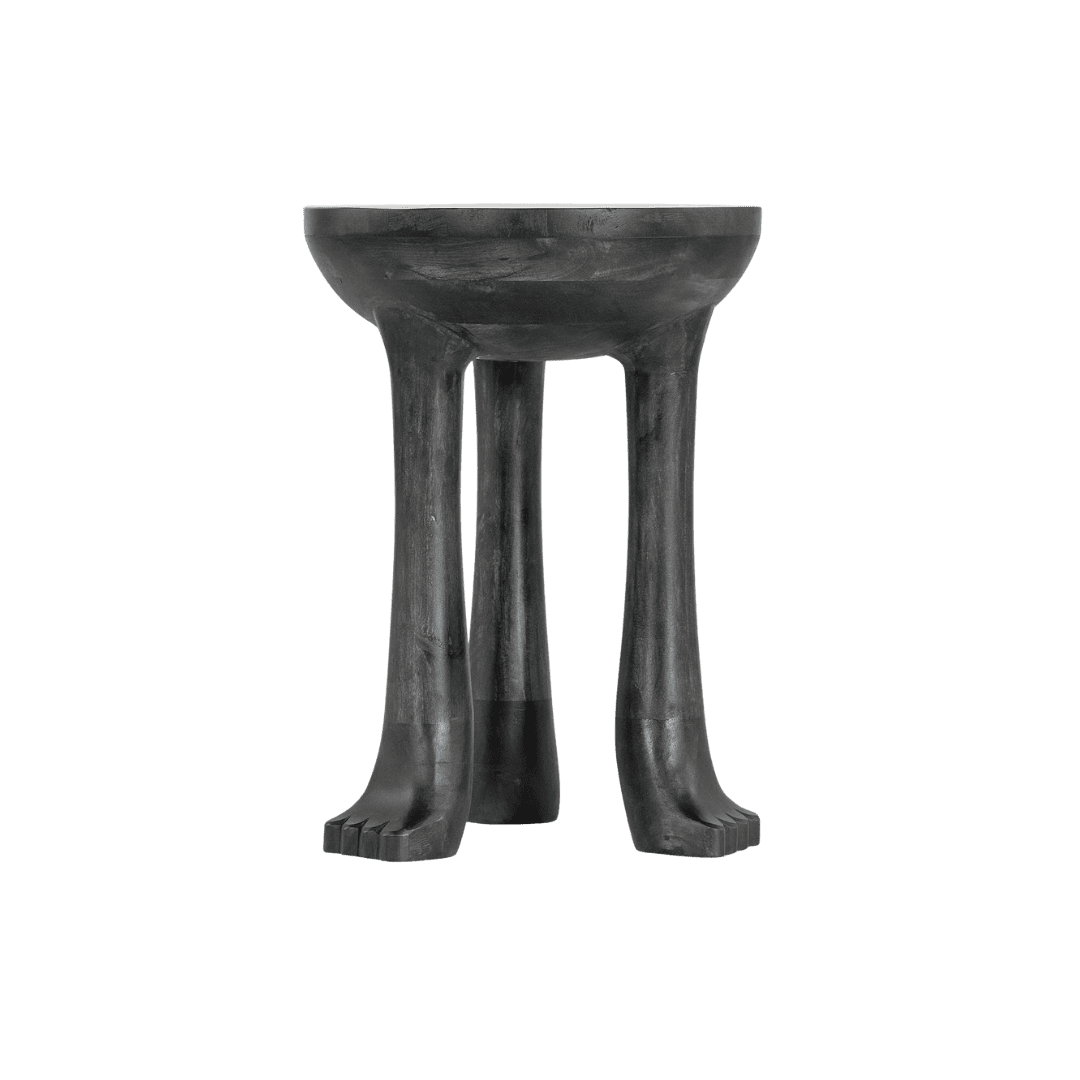
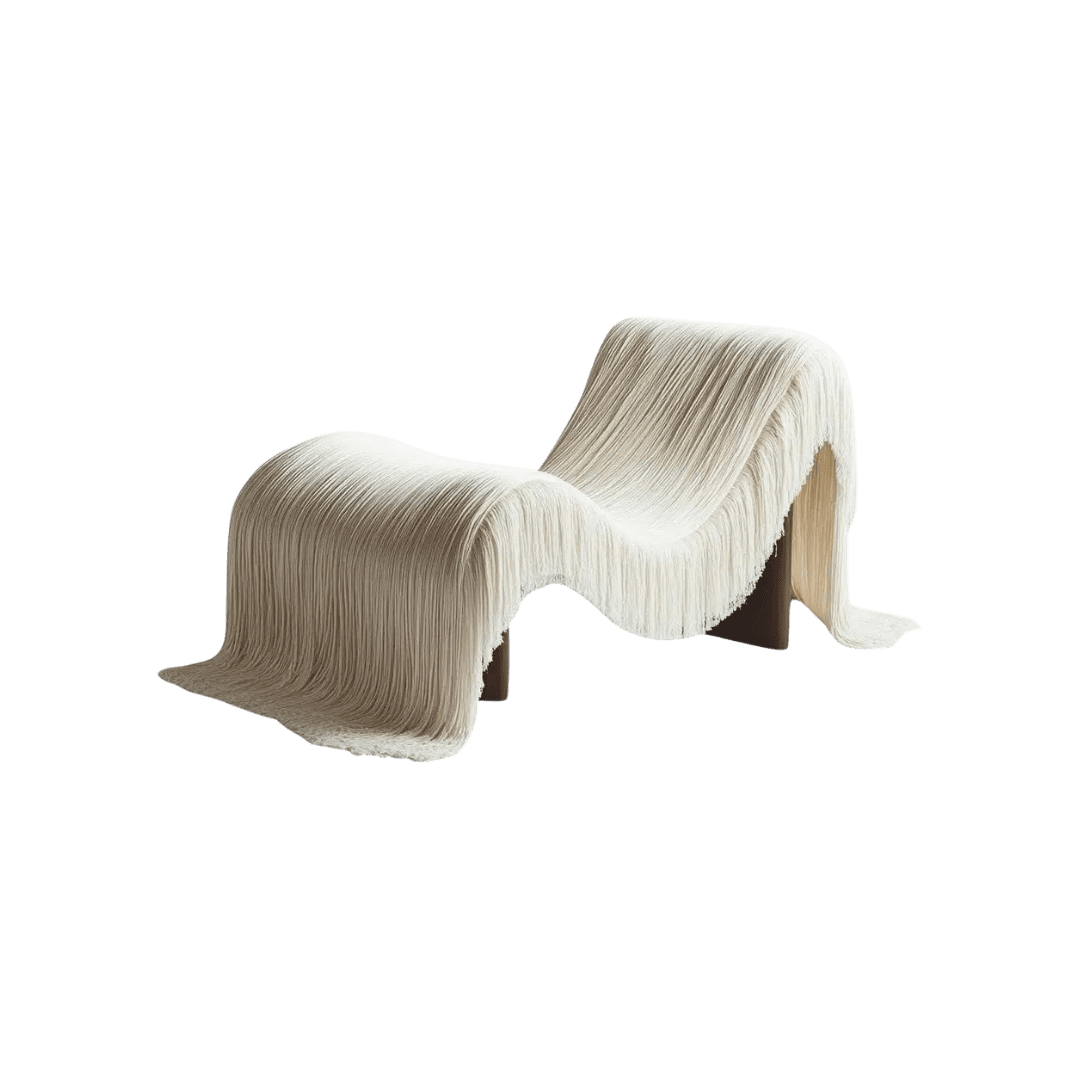
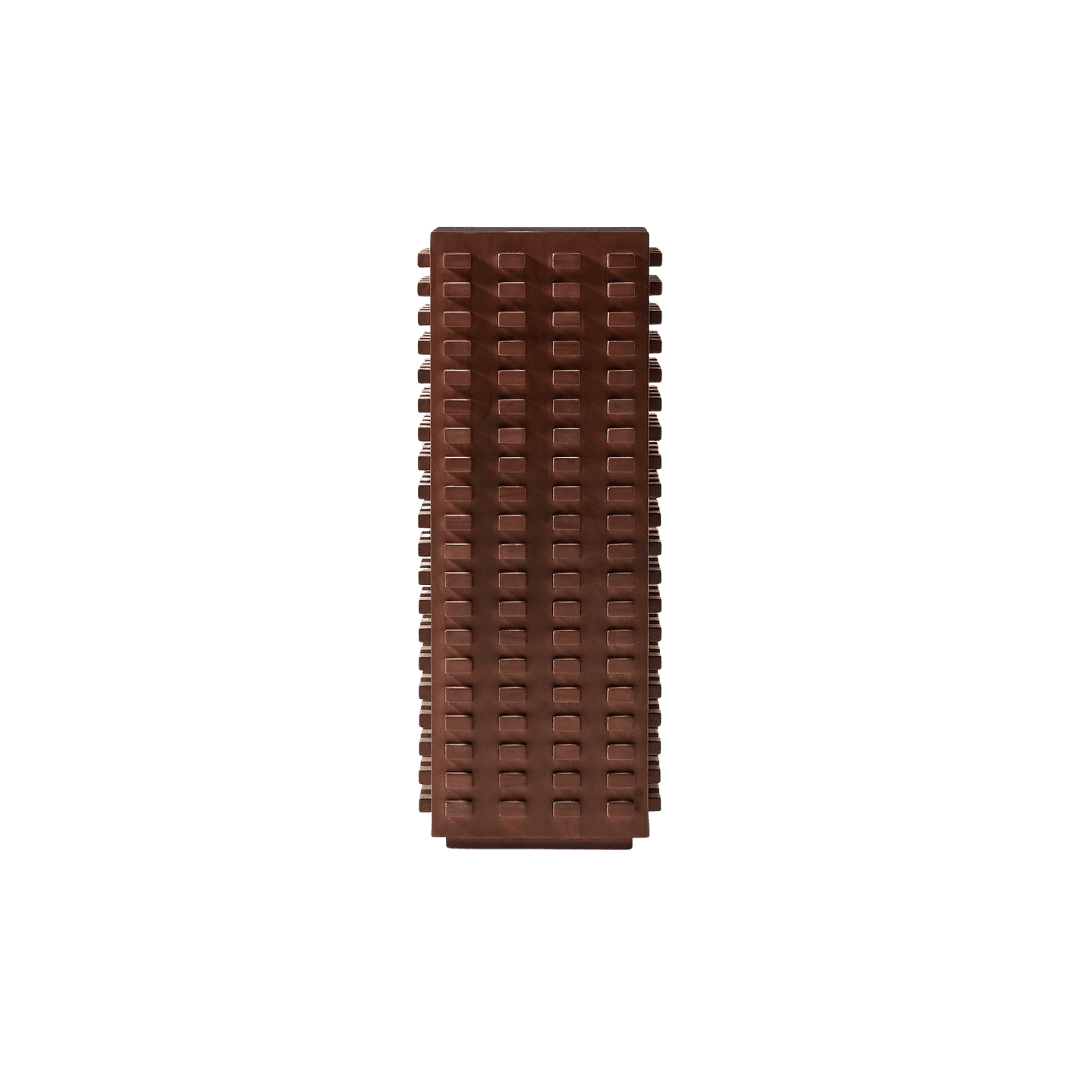
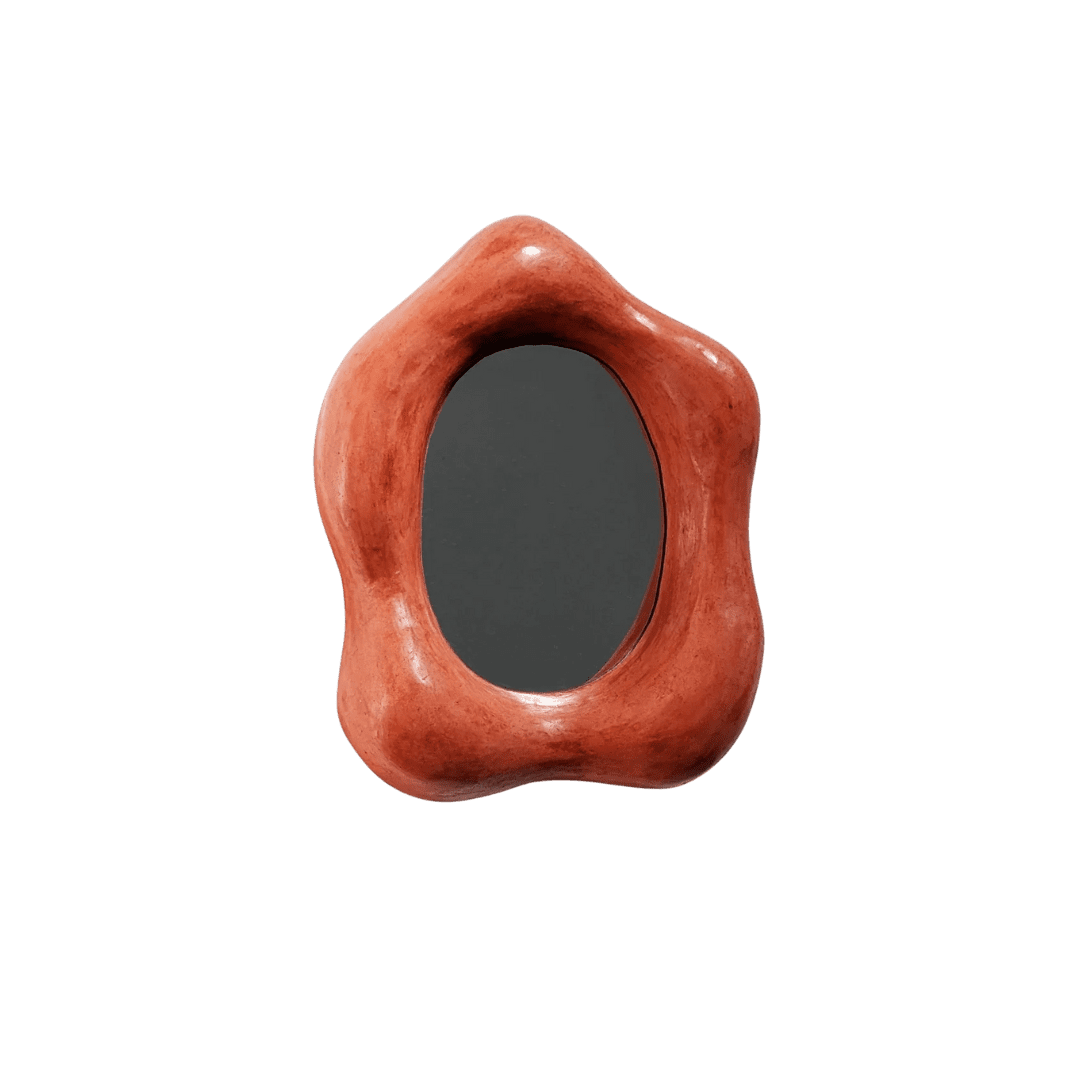
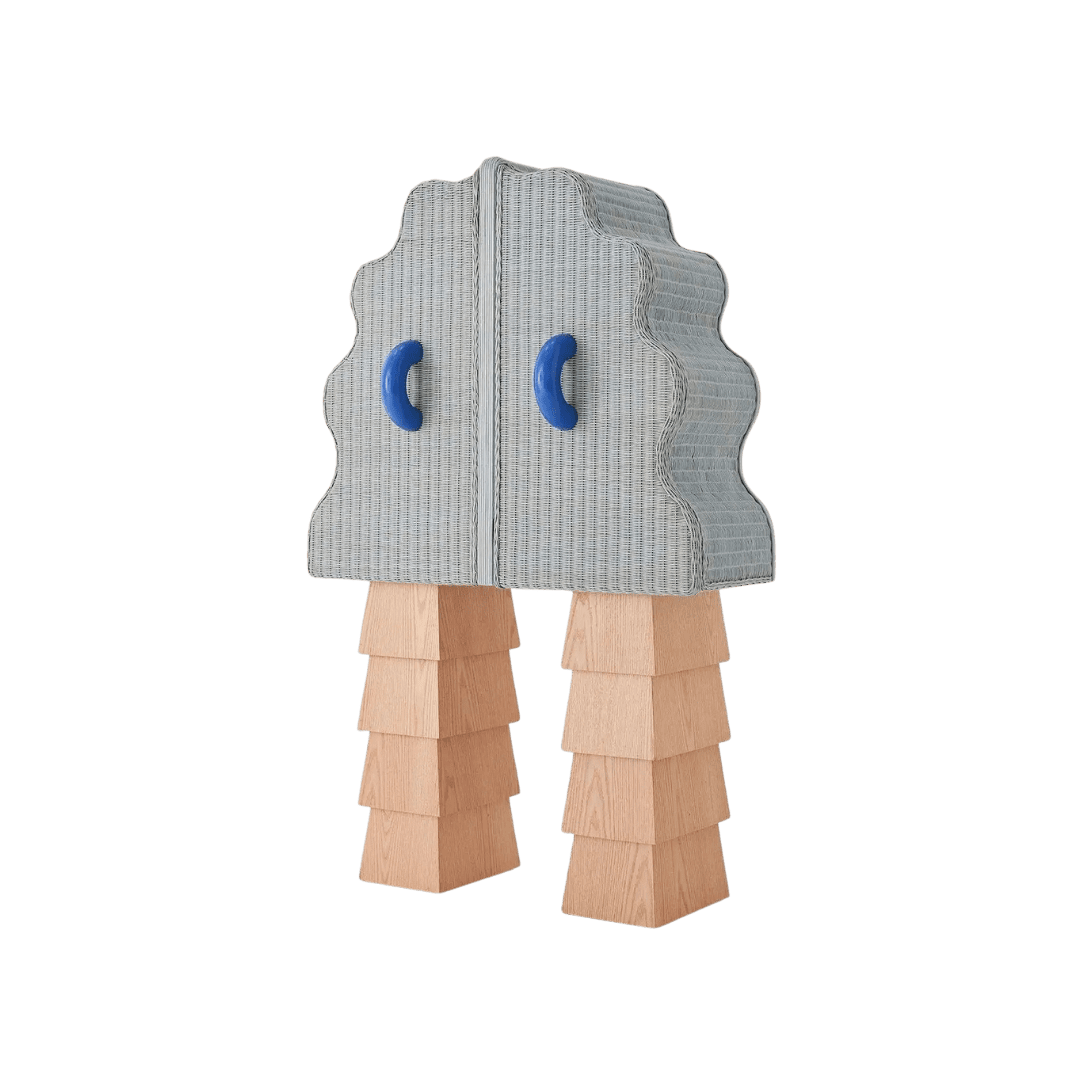
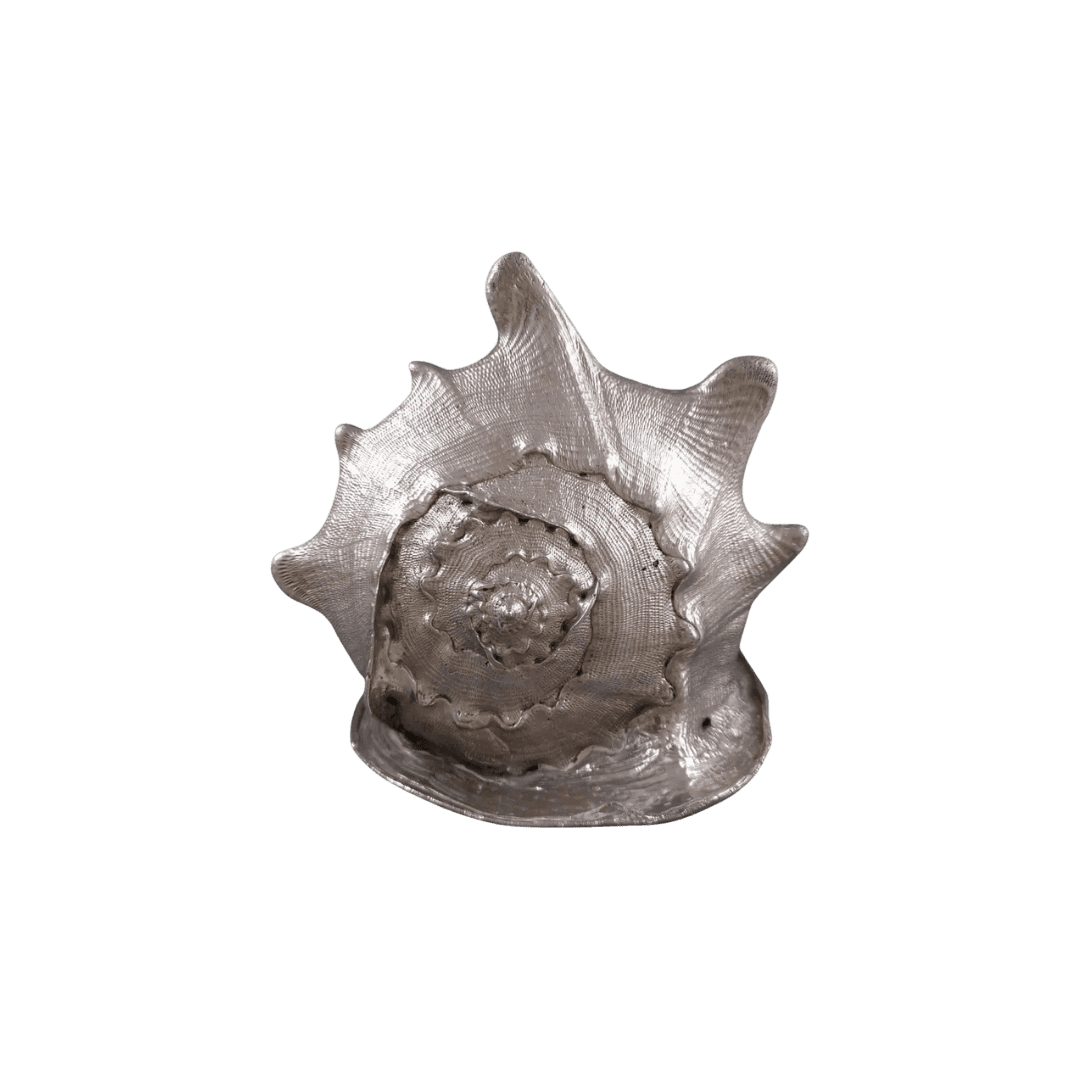
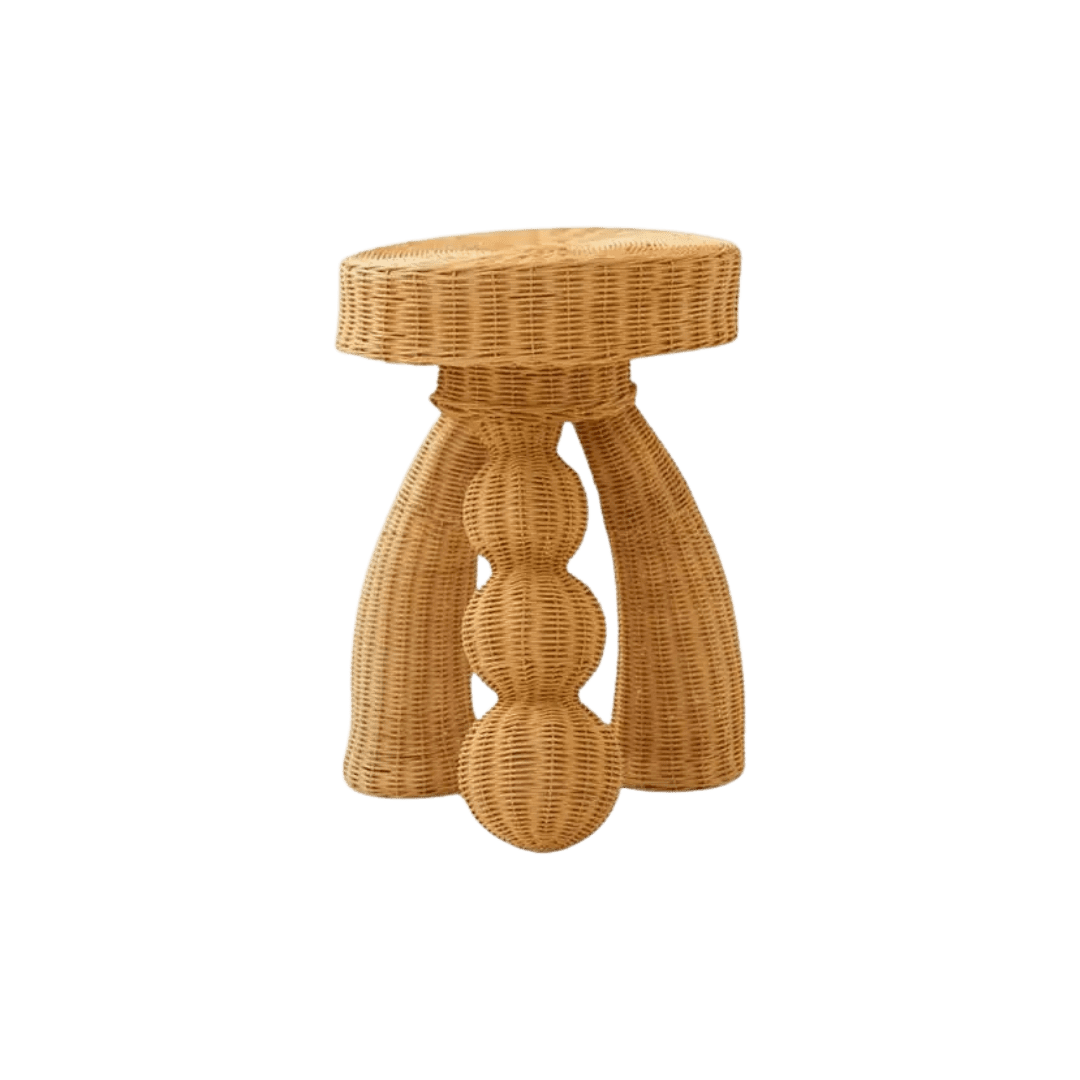
Feeling inspired to throw things off a little? Shop our edit of delightfully odd pieces below.
BY: Daniela Araya
Shop